Table Of Contents:
- Find Trusted Daycares Near Me
- Locating Convenient Day Care Near to Me
- Understanding Costs for Affordable Daycare Near Me
- Securing Specialized Infant Care Near Me
- Evaluating the Trustworthiness of Local Daycares
- Key Considerations for Selecting the Right Daycare
- Different Types of Daycare Facilities to Consider
- Essential Questions for Prospective Daycare Providers
- Preparing Your Child and Family for the Daycare Transition
- Table: Comparison of Daycare Cost Factors and Features
- Final Thoughts
- Frequently Asked Questions
As a daycare director with over 25 years of experience at Luv-N-Care Learning Center, I understand how important it is for parents to find safe, nurturing, and reliable care for their little ones. Choosing a daycare is a major decision that affects not only the daily routine of a child but also their overall development, social skills, and early learning. In today’s busy world, parents often search for “daycare near me” to find convenient childcare solutions. In this article, I will share my insights—based on real-life experiences and comprehensive knowledge—about locating convenient daycare centers, understanding costs, securing specialized infant care, evaluating trustworthiness, selecting the right daycare, exploring various facility types, and preparing your child and family for a successful transition into daycare. I will also address essential questions to ask prospective daycare providers so your child receives the best care and early education possible. For more details, feel free to check out our about us page.
Choosing the right daycare means evaluating factors such as location, cost, quality of care, staff experience, and offered. Many parents feel overwhelmed by the myriad of choices and higher standards in modern childcare. With thorough research and a clear understanding of your family’s needs and values, you can make an informed decision that benefits both you and your child. This guide covers logistics, financial aspects, safety protocols, educational philosophies, and the overall ambiance you should expect from a trusted daycare.This comprehensive article is designed to help you navigate the complex world of daycare selection by providing clear steps and key considerations that ensure your child not only stays safe but also thrives academically, socially, and emotionally. Let’s delve into the various aspects that contribute to finding a reliable, starting with practical methods for locating these valuable resources.
Locating Convenient Day Care Near to Me
When parents ask, “Where can I find convenient daycare near me?” the answer begins with using online search tools, community recommendations, and personal observations. Local directories and provide detailed profiles—including maps, hours of operation, and photos—while input from neighbors, friends, and parent groups helps compile a short list of promising centers.
Utilizing Online Search Tools for Local Daycares
The internet is a powerful resource for locating daycares. Using keywords such as “daycare near me” or “affordable child care in Houston” yields maps, reviews, ratings, and contact details that quickly narrow your options. Many websites allow you to filter search results based on distance and even offer virtual tours and photo galleries to help assess the environment and safety protocols. Combining online research with in-person visits or phone interviews helps refine your list.
Tapping Into Community Recommendations for Day Care in Near Me
Community recommendations are invaluable. Many parents rely on personal referrals over online reviews. Local parent groups, friends, and neighborhood associations often share honest feedback regarding safety, affordability, and responsiveness. Social media platforms like Facebook groups, Nextdoor, or community bulletin boards are excellent venues to learn about daycares that have a proven track record. These real-world accounts reinforce trust and provide assurance regarding the caregiving standards you can expect.
Identifying Daycares in Your Preferred Neighborhoods
After compiling recommendations, focus on centers in your preferred neighborhood. Parents usually choose a daycare near home, work, or along safe, accessible routes for morning drop-offs. Look for centers in quiet, family-centric areas with minimal traffic. Observing the neighborhood during different times of day—checking parking, public transport access, and nearby community amenities like parks or libraries—further supports your evaluation of the center’s convenience for long-term care.
Mapping Your Route to Potential Day Care Centers
Once candidate daycares are identified, use digital mapping tools to plan routes from your home to each center. Consider not only distance but also potential delays from traffic, road work, or weather conditions. Even a slight improvement in commute time can reduce stress and ensure your child has enough time to settle before daily activities begin. Choosing routes with is an added precaution to guarantee timely arrival.
Understanding Costs for Affordable Daycare Near Me
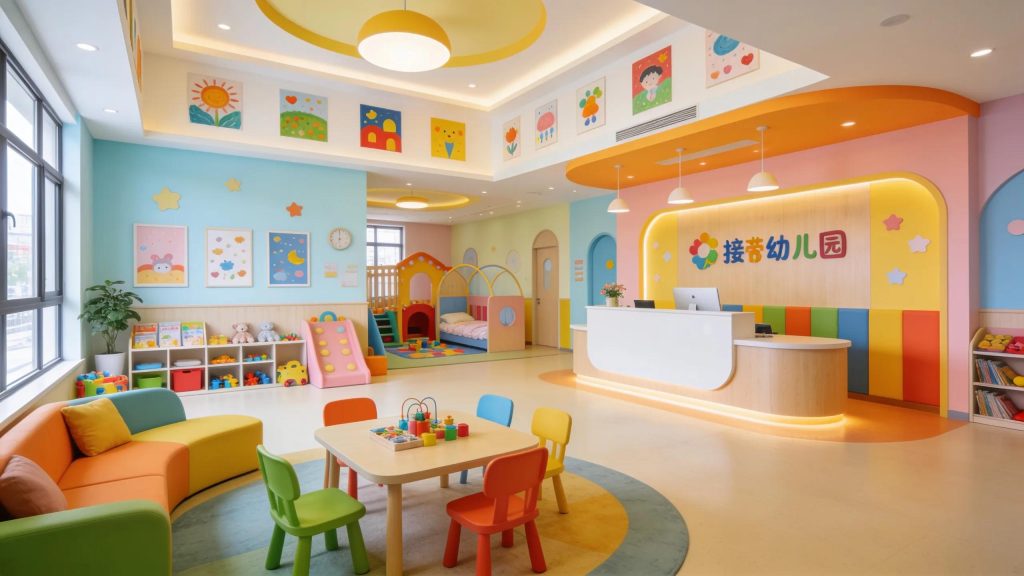
Many parents are concerned about the true cost of daycare and seek affordable solutions without sacrificing quality. Daycare fees vary widely based on location, facilities, duration of care, and available programs. Start by comparing prices across several centers. Review published fee structures, ask about additional costs, and learn whether flexible payment plans or are available. Remember, great quality care does not necessarily mean overwhelming expenses.
Comparing Prices of Different Child Care Facilities
Request detailed fee breakdowns from several centers—this should cover tuition (daily or monthly), enrollment fees, and any extra charges for supplies or special programs. Creating a comparison table can help visually assess which centers offer the best value. Consider how factors such as reputation, staff experience, and extra services (snacks, transportation, enrichment activities) influence overall costs relative to your family budget. Inquire about payment plans or sibling discounts, as these can substantially lower expenses.
Identifying Options for Cheap Daycare Near Me Without Sacrificing Quality
Quality, affordable daycare is achievable with thoughtful research. Some centers secure community grants or offer subsidized rates based on income. Ask your local school district or community centers for recommendations since public institutions sometimes run low-cost programs that still provide high-quality care. Cooperative childcare groups that share costs while maintaining personalized attention are another option. Always review accreditation statuses and licensing to ensure low fees do not result in compromised safety or developmental standards.
Exploring Financial Assistance for Affordable Child Care Near Me
Explore financial assistance programs designed to help subsidize daycare costs. Many government agencies, non-profits, and childcare resource groups offer vouchers, tax credits, or sliding scale fees based on income. In many communities, parents have benefited from local grants or state-sponsored programs. When discussing fees, ask about potential discounts or financial aid options. Transparent conversations about your budget can often lead to personalized financial solutions.
Budgeting for Ongoing Daycare Expenses
Creating a comprehensive budget is essential for long-term daycare expense management. List anticipated costs, including tuition, enrollment, transportation, meals, and any extra-curricular programs. Consider setting aside a portion of your monthly income specifically for daycare. Tracking expenses over time may reveal trends that help you adjust your budget and avoid unexpected surprises while ensuring quality care for your child.
Securing Specialized Infant Care Near Me
For infants, specialized care is crucial to ensure they receive the personalized attention they need. Many parents look for centers with dedicated infant programs where staff are specially trained to support newborns and young babies. These programs focus on essential care routines—feeding, sleeping, and diapering—while incorporating early sensory and motor stimulation activities to enhance development. A robust features caring staff, low staff-to-child ratios, and strict safety protocols.
What to Expect From Infant Daycare Near Me Programs
Expect a structured yet flexible schedule in infant daycare programs to accommodate unpredictable routines. Providers should offer clearly defined, age-appropriate activities—such as gentle play, music, and light physical movement—to support sensory development. Safety and hygiene protocols must be detailed, including regular sanitization and staff training on infant CPR and first aid. Quality centers typically provide daily reports on feeding, nap times, and developmental milestones to help parents feel connected and reassured.
Identifying Centers With Dedicated Day Care for Newborns Near Me
When searching for newborn daycare, focus on centers dedicated exclusively to infant care. Such centers often have separate areas designed with age-appropriate toys and comfort facilities that resemble a home-like setting. Accredited centers adhere strictly to caregiver-to-child ratios and employ staff with specialized training. Visiting these centers and reviewing references can further boost confidence in their ability to meet your newborn’s unique needs.
Staff Qualifications for Caring for Babies at Baby Daycare
An essential aspect of quality infant care is the expertise of the staff. Check that caregivers have formal education in early childhood, certifications in infant first aid and CPR, and specialized training in nurturing techniques. High-quality centers require ongoing professional development to stay current with best practices. Credentialed caregivers not only monitor infants closely but also engage them in stimulating activities that promote emotional and physical growth. For more information, visit parents corner.
Ratios and Group Sizes in Daycare Newborn Near Me Settings
Staff-to-child ratios in infant care are critical. Many regulatory bodies mandate low ratios—often one caregiver for every three to four infants—to ensure each child receives prompt, individualized attention. Small group settings can help minimize illness spread and create a homely atmosphere. During tours, ask for details about group sizes and caregiver assignments to gauge the level of personal attention your baby will receive.
Evaluating the Trustworthiness of Local Daycares

Trust is paramount when selecting a daycare. Evaluating trustworthiness involves checking licensing, accreditation, safety protocols, and staff qualifications. While reviews and recommendations provide some insight, visiting the facility remains essential. Verify that the center is fully licensed by state and local authorities and follows strict safety and care standards. The overall ambiance, cleanliness, and visible safety measures also indicate a center’s commitment to child well-being.
Checking Licensing and Accreditation Status
A trusted center must display all necessary licensing and certificates prominently. Licensing ensures that minimum requirements for safety, staff training, and facility standards are met. Accreditation from recognized organizations further validates the quality of curriculum and care. When visiting, ask to see certificates and inquire about safety audit frequency. These documents offer proof of compliance and accountability.
Observing Safety Measures and Protocols
Robust safety measures are a non-negotiable aspect of quality daycare. Look for secure entrances, updated fire safety equipment, clean facilities, and clear emergency protocols. Digital monitoring systems, secure sign-in processes, and regular safety drills are good indicators of a provider’s commitment to maintaining a secure environment. Such measures build parental trust by ensuring that children are protected and well-supervised.
Assessing Staff Experience and Interaction With Children
Observing how staff interact with children is one of the best ways to gauge a daycare’s quality. Warm, patient caregivers who offer individualized attention and engaging learning activities create an environment that supports growth and emotional well-being. During your visit, note if every child appears well-cared for. Talking with other parents and reading can also provide valuable insights into the staff’s ability to support social and cognitive development.
Reading Reviews and Testimonials From Other Parents
Parent testimonials and online reviews offer real-life perspectives on a daycare’s operations. Look for consistent feedback on safety, communication, staff quality, and the overall nurturing environment. While a few negative reviews are normal, frequent praise for transparency, flexibility, and personalized care is a strong indicator of trustworthiness. Asking for references and personally visiting the center can help confirm that the reviews match your own observations.
Key Considerations for Selecting the Right Daycare
Selecting the right daycare goes beyond facility evaluation. It involves matching the center’s educational philosophy, daily routine, and care style with your family’s values and expectations. Make sure the center’s approach to early childhood education supports academic, social, emotional, and physical development. Clear communication and a structured daily schedule help establish a partnership between parents and caregivers. Addressing these aspects from the start can avoid mismatches in expectations and ensure a smooth transition for your child.
Matching Daycare Philosophy With Your Family's Values
Every daycare has its own and care ethos. Some focus on structured curricular activities while others take a play-based, holistic approach. To determine the best fit, evaluate whether a center’s values align with your family’s beliefs. For example, if you value creativity and interactive learning, seek a center that offers open-ended play, art activities, and group projects. Discuss the curriculum with the director and ask about their long-term vision for child development to ensure a good match.
Understanding Daily Schedules and Activities
A well-planned daily schedule helps set the tone for your child’s day. When inquiring, ask for details on morning, afternoon, and transitional activities—such as structured learning sessions, free play, snack time, and rest periods. A balanced schedule that prevents overstimulation and allows for ample rest and active learning is key. Detailed activity calendars provide insight into how the daycare manages transitions, keeping children engaged while fostering.
Assessing Communication Methods Between Parents and Staff
Effective communication is at the heart of a successful daycare arrangement. Parents should expect regular updates regarding their child’s progress, any challenges faced during the day, and suggestions for reinforcing positive behaviors at home. Many centers now use newsletters, mobile apps, or personalized reports. Ask about during emergencies or schedule changes; strong parent-staff communication ensures a supportive environment for your child.
Visiting Potential Daycares for an In-Person Feel
No amount of online research can substitute for an in-person visit. Observing the facility, children’s interactions with staff, and the range and quality of activities offered provides critical insight. Visiting during peak hours allows you to assess safety, organization, and the overall environment firsthand. In-person visits also offer the opportunity to clarify questions about, daily routines, and emergency procedures.
Different Types of Daycare Facilities to Consider
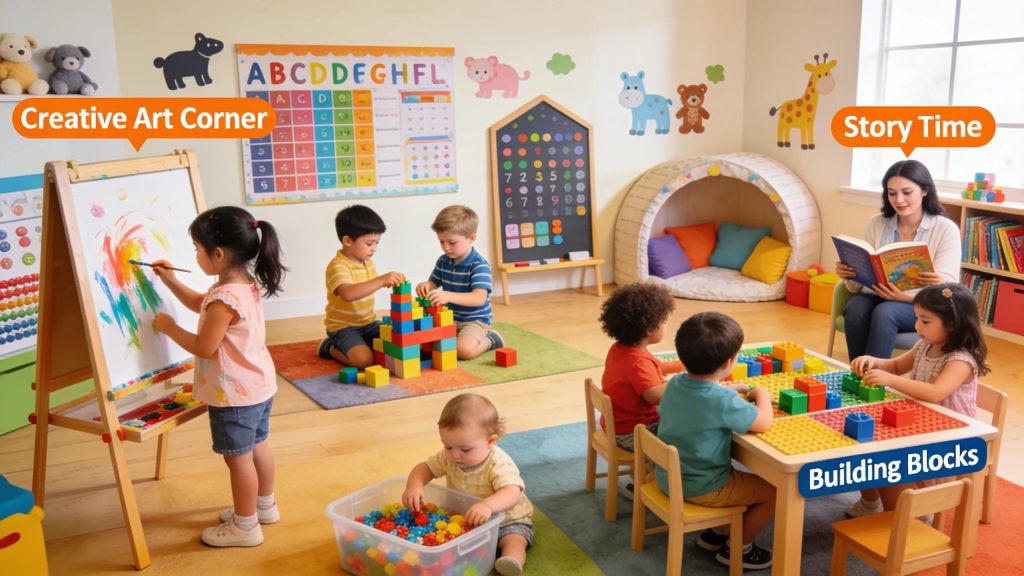
Daycare options vary widely. From traditional center-based programs with structured curricula to home-based settings that offer a more intimate atmosphere, understanding these differences is crucial. Other approaches, such as Montessori methods and hybrid models, combine structure with creative play. Whether you need part-time care for preschoolers or full-time services for working parents, exploring these options will help you identify the best match for your child’s developmental needs and your family’s logistics.
Exploring Center-Based Daycare Programs
Center-based programs typically feature established curricula, dedicated classrooms for different age groups, and a variety of enrichment activities that support cognitive, social, and physical development. Large centers often include outdoor play areas, specialized rooms for art, music, or science, and strictly adhere to state regulations regarding staff-to-child ratios. For busy families, these centers offer consistent schedules and comprehensive services including meals, structured learning, and progress assessments. Many also encourage parental involvement through meetings and progress reports.
Understanding Home-Based Daycare Options
Home-based daycares provide a more personalized experience with smaller group sizes, more flexible schedules, and a warm, home-like atmosphere. These centers often allow for stronger bonds between caregivers and children but should be verified for compliance with safety, cleanliness, and caregiver qualifications. Many reputable home-based centers combine the intimacy of a family setting with professional standards.
Learning About Montessori and Other Educational Approaches
Some centers adopt specific educational philosophies such as Montessori or Reggio Emilia, which emphasize self-directed activity, hands-on learning, and collaborative play. These programs usually feature mixed-age classrooms and carefully prepared environments to encourage exploration and discovery. It is important to understand how these approaches differ from traditional methods and whether they align with your family’s educational values.
Considering Part-Time Versus Full-Time Daycare Availability
Choosing between part-time and full-time care depends on your family’s schedule and needs. Full-time daycare offers consistent, long-hour coverage ideal for working parents, while part-time programs provide flexibility if care is needed only during select hours. Ask about, instructional hours, and any differences in daily routines to determine which option best fits your lifestyle.
Essential Questions for Prospective Daycare Providers
Before making a final decision, it is essential to vet prospective daycare providers with targeted questions. This helps uncover key details about their daily operations, safety protocols, staff qualifications, and overall care philosophy, ensuring you choose a center committed to high standards and transparency.
Inquiring About Staff-to-Child Ratios for Different Age Groups
Ask specific questions regarding how many children are assigned to each caregiver, especially for infants and toddlers who require closer supervision. Reputable centers adhere to strict state guidelines, often maintaining ratios like one caregiver per three to four infants. Also, inquire about backup staff policies to ensure consistent quality of care even during absences.
Asking About Sick Child Policies and Emergency Procedures
Understanding health policies is critical. Request detailed explanations about when a child must stay home, illness monitoring procedures, and measures during infectious outbreaks. Ask about emergency procedures such as evacuation plans and staff training in first aid. These policies are vital for your child’s safety and build confidence in the learning center.
Understanding Meal and Snack Provisions
Find out what nutritional guidelines the center follows and whether meals are prepared on-site or provided by parents. Inquire about options for children with dietary restrictions and ask for details regarding meal timing, ingredient quality, and supervision during meals. Clear information in this area ensures your child’s nutritional needs are met.
Clarifying Policies on Parent Involvement and Visits
Ask how the daycare communicates with parents—whether through regular updates, parent-teacher meetings, or open houses. Some centers offer family days or open houses that allow you to observe the environment. Transparent communication channels strengthen the partnership between parents and caregivers.
Preparing Your Child and Family for the Daycare Transition

Transitioning your child to daycare is a significant change that can be both exciting and challenging. A thoughtful transition plan combines practical preparation—like packing essentials—with emotional support. Gradually introduce the concept, set a steady drop-off routine, and maintain open communication with the to help your child adjust smoothly.
Introducing the Concept of Daycare to Your Child
Start by discussing what daycare is, using positive language that highlights fun, new friends, and learning opportunities. Reading books or watching age-appropriate videos about daycare can help demystify the experience. Arranging a short trial visit can also make the transition less intimidating and more exciting.
Packing Essentials for Your Child's Day at Daycare
Prepare a bag with essentials such as a change of clothes, a blanket, necessary medications, and a favorite comfort item. Label all items clearly to avoid mix-ups. A well-prepared bag not only meets daycare requirements but also provides comfort and security to your child.
Establishing a Smooth Drop-Off Routine
Create a consistent drop-off routine by choosing a specific time each day and planning your route to avoid rushing. Consistency helps reduce separation anxiety. Using clear signals like a special goodbye phrase or handshake can make the routine comforting and predictable for your child.
Building a Positive Relationship With Daycare Staff
Establishing an open line of communication with the staff is key. Regular check-ins and feedback sessions help build trust. Involvement in visits and center events further fosters a sense of community and ensures that both caregivers and parents work together to support your child’s development.
Table: Comparison of Daycare Cost Factors and Features
Before making a final decision, it is helpful to compare various factors that influence costs and features: programs
| Facility Type | Tuition Range | Staff-to-Child Ratio | Special Programs Offered | Additional Costs |
|---|---|---|---|---|
| Center-Based Daycare | $800 – $1,500/month | 1:6 – 1:8 | Enrichment classes, structured curriculum | Registration fees, supplies |
| Home-Based Daycare | $600 – $1,200/month | 1:4 – 1:6 | Personalized care, small group activities | Materials fee |
| Montessori Daycare | $1,000 – $2,000/month | 1:7 – 1:10 | Montessori curriculum, mixed-age learning | Extra activity fees |
| Part-Time Programs | $400 – $1,000/month | Varies (low ratios) | Flexible scheduling, afterschool programs | Drop-in fees |
| Full-Time Programs | $1,200 – $2,500/month | 1:6 – 1:8 | Full curriculum, extended hours | Extended enrichment programs |
| Specialized Infant Care | $1,000 – $2,000/month | 1:3 – 1:4 | Infant sensory and motor development | Extra care and supply fees |
| Subsidized Programs | $300 – $800/month | 1:8 – 1:10 | Community-based programs | Minimal extra costs |
This table provides a snapshot of daycare options regarding costs, staff ratios, and program offerings. Balancing cost and quality helps ensure your child receives affordable, valuable care.
Final Thoughts
Finding trusted daycare requires diligent research, community input, and careful evaluation of costs, safety protocols, and educational philosophies. Every element—from online searches and neighborhood assessments to staff qualifications and daily routines—is crucial to your child’s well-being. I encourage you to ask the right questions and visit centers in person to experience the nurturing environment firsthand. With these insights, you can confidently schedule visits and choose a daycare that meets your family’s needs.
Frequently Asked Questions
Q: How do I start my search for a daycare near me? A: Begin by using online search tools and local directories to identify daycare centers in your area. Ask for recommendations from friends, local parent groups, and social media networks. Then, compile a list and schedule visits to see each center’s environment and meet the staff.
Q: What should I look for in the licensing and accreditation of a daycare? A: Ensure the daycare is licensed by state authorities and accredited by recognized organizations. Check that certificates are visibly displayed and ask about inspection schedules to ensure compliance with safety, staff, and curriculum standards.
Q: How important is the staff-to-child ratio in evaluating daycare options? A: It is crucial. Lower ratios mean more personalized care. A ratio of one caretaker per three to four infants is ideal, while older children may do well with a slightly higher ratio, ensuring safety and proper development.
Q: Can I find affordable daycare without compromising on quality? A: Yes. Many centers offer subsidized or sliding scale fees, especially if they receive community grants. Research, read reviews, and inquire about financial assistance programs to find a facility that balances cost with quality care.
Q: What steps can I take to ensure a smooth transition when enrolling my child in daycare? A: Gradually introduce the idea of daycare, visit the center together, and establish a consistent drop-off routine. Packing familiar comfort items and maintaining clear communication with the staff will help ease the transition. For more resources, you can visit parents corner.
Q: How important is it to visit the daycare in person before making a decision? A: In-person visits are essential. They allow you to evaluate the environment, observe caregiver interactions, and ask specific questions about policies and daily routines—ensuring the facility meets your family’s needs.
Q: What types of daycare options are available, and which might be best for my family? A: Options include center-based programs, home-based daycares, Montessori-style facilities, and specialized infant care centers. The best choice depends on your family’s needs, financial situation, preferred educational approach, and scheduling requirements. Compare these options through research and visits to determine the right fit.