Table Of Contents:
- Is It Normal for a 2 Month Old to Drool? Understanding This Common Behavior
- Key Takeaways
- Understanding Drooling in Infants at Two Months Old
- What to Expect Regarding Drooling at Two Months
- When Drooling Becomes a Concern
- Tips for Managing Drooling in Young Infants
- Parent Experiences and Shared Concerns
- Resources and Further Reading on Drooling in Infants
- Frequently Asked Questions
- Conclusion
Is your 2-month-old drooling more than usual? Many parents worry about excessive drooling in young infants. This article will explore why babies drool at this age, what’s normal, and when to be concerned. We’ll cover how drooling relates to facial muscle development and potential skin irritation. You’ll learn practical tips for managing drool and protecting your baby’s delicate skin. By the end, you’ll understand this common behavior and know when to seek medical advice.
Key Takeaways
- Drooling in 2-month-olds is normal and related to oral development and increased saliva production
- Excessive drooling can cause skin irritation, so proper hygiene and protective measures are important
- Monitoring other symptoms alongside drooling can help identify potential health concerns in infants
- Parents can find support through online forums, parenting books, and local community groups
- Consulting healthcare professionals is crucial if drooling is accompanied by concerning symptoms or persistent issues
Understanding Drooling in Infants at Two Months Old
At Luv-N-Care, we understand that drooling in 2-month-old infants can be a concern for parents. We’ll explore why babies drool, the role of saliva production, common reasons for increased drooling at this age, and how it differs between infants. Understanding these factors, including the development of neck muscle tone and its impact on eating, can help you better manage your baby’s drooling and choose appropriate bibs to protect against bacteria.
Why Do Babies Drool?
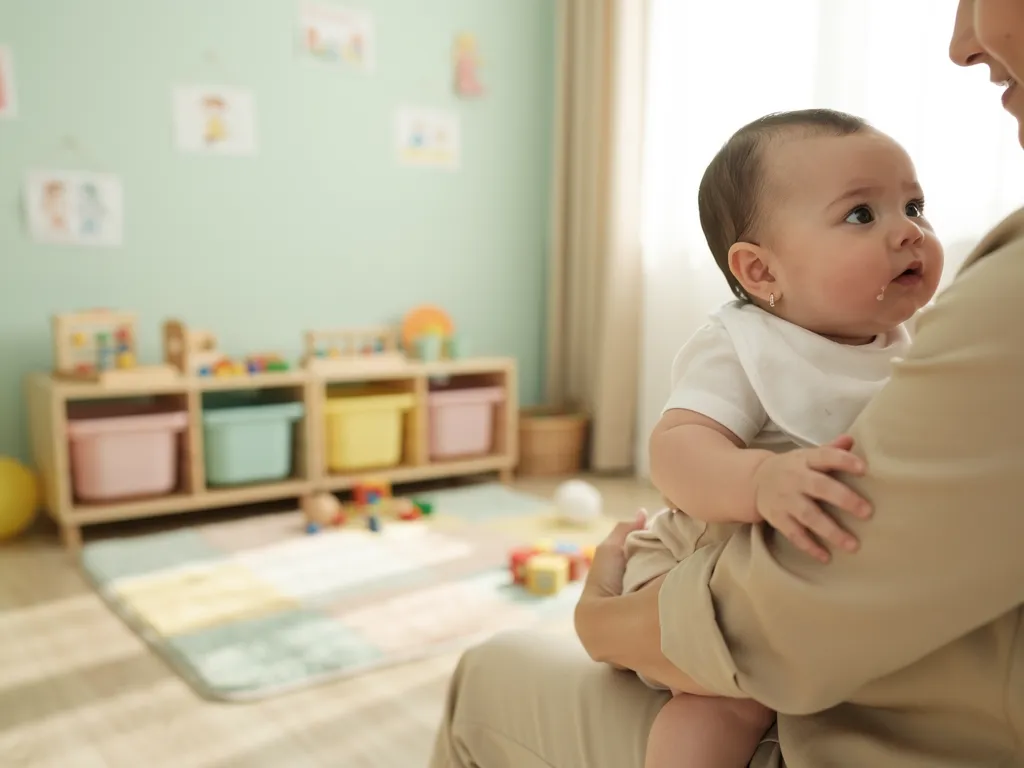
As a daycare director, I’ve observed that babies drool for various reasons. The primary cause is the development of their salivary glands, which produce saliva to aid in digestion and protect the mouth. This behavior is entirely normal and not a sign of injury or need for medication.
At two months old, increased drooling may occur due to the baby’s growing awareness of their mouth and lip movements. While some parents might worry about excessive drooling, it’s usually not a cause for concern unless accompanied by other symptoms. If you’re ever unsure, don’t hesitate to consult your pediatrician or visit an urgent care center for professional advice.
The Role of Saliva Production in Infants
Saliva production plays a crucial role in an infant’s development, especially as they prepare for future milestones like speech and eating solid foods. At two months old, babies are still primarily consuming milk, but their salivary glands are already working to support proper digestion and maintain oral health. This increased saliva production can lead to more noticeable drooling. For more details on infant development and care, visit our programs page.
As infants grow, their saliva production continues to increase, which is essential for their overall health and development. Saliva helps lubricate the mouth for easier breathing during sleep and aids in the transition to using a sippy cup later on. While drooling may seem excessive at times, it’s a natural part of your baby’s growth process.
| Age | Saliva Production | Developmental Milestone |
|---|---|---|
| 2 months | Increasing | Oral awareness |
| 4-6 months | Higher | Teething begins |
| 6-12 months | Peak | Solid food introduction |
Common Reasons for Increased Drooling at This Age
At two months old, babies experience several developmental changes that can lead to increased drooling. I’ve noticed that many infants at this age become more aware of their mouths and start exploring with their tongues. This heightened oral activity often results in more saliva production and, consequently, more drooling.
While drooling is typically harmless, it’s important to monitor for any signs of discomfort or unusual symptoms. Excessive drooling combined with other signs might indicate underlying issues such as inflammation or a skin condition. However, it’s crucial to remember that drooling alone is rarely a cause for concern. Our programs at Luv-N-Care focus on supporting healthy development through age-appropriate activities and exercise.
- Increased oral awareness
- Tongue exploration
- Heightened saliva production
- Normal developmental stage
How Drooling Differs Between Infants
In my experience as a daycare director, I’ve observed that drooling patterns can vary significantly among infants. Some babies may produce excessive saliva, while others might drool less. These differences often relate to factors like muscle tone, diet, and overall development. It’s important to note that drooling itself doesn’t indicate a choking risk, but parents should always ensure their baby maintains a healthy diet to support proper growth.
While most cases of drooling are normal, I’ve encountered situations where excessive drooling was a sign of an underlying issue requiring medical attention. In rare cases, doctors may recommend surgery to address severe drooling problems. However, for the vast majority of infants, drooling is a natural part of development that doesn’t require intervention. As caregivers, we focus on maintaining a clean environment and encouraging activities that promote healthy oral development.
What to Expect Regarding Drooling at Two Months
At two months, your baby’s drooling patterns are developing. I’ll explain typical saliva production milestones, factors influencing drooling in newborns, and how to identify normal patterns. While drooling is usually harmless, understanding its progression can help you manage it effectively. We’ll touch on relevant topics like pacifier use and skin care, as well as FDA-approved therapies for excessive drooling, though these are rarely needed for infants.
Typical Milestones of Saliva Production
At Luv-N-Care, we observe that saliva production in two-month-old infants varies. Some babies may start drooling more noticeably at this age, while others might not show significant changes. We recommend using petroleum jelly to protect the skin around the mouth and chin from irritation caused by excess saliva.
As infants grow, their saliva production increases to support tooth development and language skills. We often see babies exploring their mouths more, which can lead to increased drooling. It’s important to change diapers regularly and keep the baby’s face clean to prevent skin issues. If you’re curious about our approach to infant care, please check our “about us” page on our website.
| Age | Saliva Production | Care Tips |
|---|---|---|
| 2 months | Varies | Use petroleum jelly for skin protection |
| 4-6 months | Increases | Regular diaper changes and face cleaning |
| 6-12 months | Peaks | Support tooth and language development |
Factors Influencing Drooling in Newborns
As a daycare director, I’ve observed several factors that influence drooling in newborns. Health plays a crucial role, as certain conditions can lead to hypersalivation. Muscle development, particularly in the cheeks and mouth, affects a baby’s ability to control saliva flow.
Drooling patterns can vary greatly among two-month-olds. Some infants may experience more pronounced drooling due to increased oral awareness and exploration. I’ve noticed that teething, even though it typically occurs later, can sometimes influence saliva production at this early stage.
Identifying Normal Drooling Patterns
As a daycare director, I’ve observed that normal drooling patterns in 2-month-olds can vary. Some infants may produce more saliva, especially when teething begins, which can lead to a rash around the mouth. Parents should maintain good oral hygiene practices, gently wiping their baby’s gums with a soft cloth after feedings to prevent irritation.
I often recommend providing a safe, age-appropriate toy for babies to explore orally, which can help stimulate saliva production and aid in development. It’s important to note that excessive drooling could indicate issues like malocclusion, but this is rare at two months. If you’re concerned about your baby’s drooling patterns, consult with your pediatrician for personalized advice.
When Drooling Becomes a Concern
While drooling is normal for 2-month-olds, I’ll explain when it might signal a problem. We’ll cover signs that indicate an issue, health conditions linked to excessive drooling, and the importance of monitoring other symptoms. Understanding these aspects can help prevent complications like tooth decay or pain. If concerns arise, a professional evaluation may be necessary to rule out conditions such as type 2 diabetes.
Signs That May Indicate an Issue
As a daycare director, I’ve observed that excessive drooling in 2-month-olds can sometimes indicate underlying issues. While rare, conditions affecting the brain or nervous system may cause increased saliva production. If you notice persistent drooling accompanied by difficulty swallowing or frequent choking, it’s crucial to consult a pediatrician promptly.
I always advise parents to be vigilant about other symptoms that might accompany excessive drooling. For instance, if your baby shows signs of skin irritation around the mouth or chin, it could be due to saliva exposure or a reaction to detergents used on bibs. In such cases, switching to hypoallergenic products and ensuring proper insurance coverage for potential medical visits can provide peace of mind for parents.
Common Health Conditions Linked to Excessive Drooling
As a daycare director, I’ve observed that excessive drooling in 2-month-olds can sometimes be linked to certain health conditions. While rare, issues such as oral infections, gastrointestinal reflux, or neurological disorders may cause increased saliva production. It’s important for parents to monitor their baby’s drooling patterns and consult with their health care provider if they notice any concerning changes.
During breastfeeding, I often remind parents to pay attention to their baby’s chin and surrounding area for signs of irritation due to excessive saliva. If you notice persistent redness or rash, it’s crucial to seek medical advice. Remember, while some drooling is normal, excessive amounts could indicate an underlying issue requiring further evaluation.
- Monitor drooling patterns
- Watch for signs of irritation
- Consult health care provider if concerned
- Pay attention during breastfeeding
- Seek medical advice for persistent issues
The Importance of Monitoring Other Symptoms
As a daycare director, I always emphasize the importance of monitoring other symptoms alongside drooling in 2-month-olds. While drooling is often normal, changes in jaw movement, excessive vomiting, or fever can indicate potential issues. I advise caregivers to pay close attention to these signs and consult a pediatrician if they persist.
In my experience, observing a baby’s tongue movements during feeding can provide valuable insights. If you notice unusual tongue patterns or difficulty swallowing, it’s crucial to seek medical advice promptly. Remember, as caregivers, we play a vital role in identifying early signs of potential health concerns:
- Watch for changes in jaw movement
- Monitor for excessive vomiting
- Check for fever
- Observe tongue movements during feeding
- Note any difficulty swallowing
Tips for Managing Drooling in Young Infants
As a daycare director, I’ll share practical tips for managing drooling in 2-month-olds. We’ll cover recommended hygiene practices to keep your baby comfortable, especially during summer. I’ll also discuss soothing techniques for teething discomfort and how to choose appropriate clothing and bibs. These strategies support your infant’s nutrition and development while protecting their sensitive stomach area.
Recommended Hygiene Practices
As a daycare director, I recommend maintaining good oral hygiene for your 2-month-old to manage drooling effectively. Gently wipe your baby’s gums and the inside of their cheeks with a soft, damp cloth after each feeding. This practice not only removes excess saliva but also stimulates the salivary glands, promoting healthy digestion and preparing the oral cavity for future chewing.
I’ve found that paying attention to your infant’s throat and pharynx area is crucial. Keep this region dry to prevent skin irritation and potential infections. Use a clean, soft towel to pat the area dry regularly, especially after feedings or during periods of increased drooling. This simple habit can significantly improve your baby’s comfort and maintain proper oral health.
Soothing Techniques for Drooling Discomfort
At Luv-N-Care, we understand that drooling can cause discomfort for 2-month-olds. I recommend gently massaging your baby’s gums with a clean finger to soothe irritation. This technique can help alleviate discomfort caused by teething or excessive saliva production. If you notice any signs of allergy or gastroesophageal reflux disease, consult your pediatrician promptly.
I’ve found that offering a cool, clean teething ring can provide relief for babies experiencing mouth discomfort due to drooling. Always ensure the teething toy is safe and age-appropriate. In cases where drooling persists or is accompanied by other symptoms like fever, it’s important to rule out a virus or other underlying issues. Here’s a quick guide to soothing techniques:
| Technique | Benefits | Precautions |
|---|---|---|
| Gum massage | Soothes irritation | Use clean hands |
| Cool teething ring | Relieves discomfort | Ensure age-appropriate |
| Wipe mouth gently | Prevents skin irritation | Use soft, clean cloth |
Choosing Appropriate Clothing and Bibs
As a daycare director, I recommend choosing clothing and bibs that effectively manage moisture from drooling, especially during nursing sessions. The American Academy of Pediatrics suggests using absorbent materials to keep your baby’s skin dry and prevent irritation. I’ve found that layering a waterproof bib under a soft, cloth bib provides excellent protection while keeping your infant comfortable during thumb sucking or feeding.
When selecting clothing for your 2-month-old, opt for breathable fabrics that wick away moisture. I advise parents to dress their babies in layers, allowing for easy changes if clothes become damp from drooling. Remember to pack extra outfits when visiting our daycare center, as frequent clothing changes may be necessary to maintain your baby’s comfort throughout the day.
Parent Experiences and Shared Concerns
As a daycare director, I’ve encountered various parent experiences and concerns regarding infant drooling. In this section, we’ll explore real-life stories, expert opinions, and community insights. We’ll address common worries, including those related to neurology, cough, and diarrhea. By sharing these experiences, we aim to provide valuable support and understanding for parents navigating this normal stage of infant development.
Real-Life Stories From Parents
As a daycare director, I’ve heard numerous stories from parents about their 2-month-olds’ drooling habits. One mother shared her experience of her baby’s excessive drooling during influenza, which prompted her to seek attention from a physician. It’s crucial to remember that while drooling is normal, any accompanying symptoms should be monitored closely.
Another parent recounted how her baby’s drooling increased significantly when transitioning from breast milk to formula. She consulted with her child’s doctor about potential links to ulcerative colitis, highlighting the importance of discussing any concerns with healthcare professionals. Here’s a summary of common parental experiences:
| Parent Concern | Observation | Action Taken |
|---|---|---|
| Excessive drooling during illness | Increased saliva production with flu symptoms | Consulted physician |
| Changes in drooling with diet | More drooling when switching to formula | Discussed with pediatrician |
| Drooling affecting skin | Rash development around mouth and chin | Applied protective barrier cream |
Expert Opinions on Drooling in Infants
As a daycare director, I’ve consulted with pediatricians who emphasize that drooling in 2-month-olds is typically normal. They explain that increased saliva production at this age is part of a baby’s oral development. However, these experts also stress the importance of monitoring for any signs of discomfort or difficulty swallowing, which could indicate underlying issues.
I’ve learned from speech therapists that drooling plays a crucial role in preparing infants for future speech development. They advise parents to encourage oral exploration through safe, age-appropriate toys. While excessive drooling might cause skin irritation, most experts agree that it rarely requires medical intervention at this age unless accompanied by other concerning symptoms.
Community Insights and Support
As a daycare director, I’ve witnessed the power of community support in helping parents navigate the challenges of infant drooling. Our parent forums provide a valuable platform for sharing experiences and tips on managing excessive saliva production in 2-month-olds. I’ve seen firsthand how these discussions can alleviate concerns and offer practical solutions for common issues like skin irritation and clothing protection.
I often encourage parents to participate in our support groups, where they can learn from each other’s experiences with infant drooling. These gatherings have proven invaluable for addressing concerns about developmental milestones and distinguishing between normal drooling and potential health issues. By fostering a supportive community, we’ve created a space where parents feel empowered to make informed decisions about their baby’s care.
Resources and Further Reading on Drooling in Infants
As a daycare director, I recommend exploring trusted websites, books, and online forums for comprehensive information on infant drooling. These resources offer valuable insights into managing this common behavior in 2-month-olds. I’ll guide you through reliable parenting advice sources, essential infant care books, and supportive parent groups where you can find practical tips and expert knowledge.
Trusted Websites for Parenting Advice
As a daycare director, I recommend several trusted websites for accurate information on infant drooling. The American Academy of Pediatrics (AAP) website offers evidence-based guidance on child development, including articles on normal drooling patterns in 2-month-olds. I often direct parents to KidsHealth.org for its easy-to-understand explanations of infant oral development and tips for managing excessive drooling.
I’ve found that the Mayo Clinic’s website provides comprehensive resources on infant care, including a section dedicated to drooling and teething. For parents seeking more interactive support, I suggest joining online communities on BabyCenter or WhatToExpect, where they can connect with other parents and access expert advice. Here’s a quick overview of these trusted resources:
| Website | Type of Information | Key Features |
|---|---|---|
| AAP.org | Evidence-based guidance | Pediatrician-approved content |
| KidsHealth.org | Easy-to-understand explanations | Practical tips for parents |
| MayoClinic.org | Comprehensive infant care resources | Detailed articles on drooling and teething |
| BabyCenter.com | Interactive parent community | Expert advice and peer support |
Relevant Books on Infant Care
As a daycare director, I often recommend “The Baby Book” by Dr. William Sears to parents seeking information on infant care, including drooling in 2-month-olds. This comprehensive guide covers various aspects of baby development, offering practical advice on managing common issues like excessive saliva production. I find its easy-to-read format particularly helpful for new parents navigating the early months of childcare.
Another book I frequently suggest is “What to Expect the First Year” by Heidi Murkoff. This resource provides month-by-month guidance on infant development, including detailed sections on oral health and drooling. I appreciate how it addresses common parental concerns, offering reassurance about normal developmental milestones while highlighting when to seek professional medical advice.
Online Forums and Parent Groups
As a daycare director, I often recommend online forums and parent groups to families seeking support and information about infant drooling. These platforms provide a space for parents to share experiences, ask questions, and receive advice from others who have gone through similar situations with their 2-month-olds. I’ve found that popular parenting forums like BabyCenter and What to Expect offer dedicated sections for discussing infant development, including drooling patterns and management techniques.
I encourage parents to join local parent groups on social media platforms like Facebook, where they can connect with other families in their area. These groups often host in-person meetups, allowing parents to build a support network and exchange practical tips for managing drooling in infants. Here’s a summary of online resources I frequently recommend to parents:
| Resource Type | Examples | Benefits |
|---|---|---|
| Online Forums | BabyCenter, What to Expect | Diverse perspectives, expert advice |
| Social Media Groups | Facebook parent groups | Local support, in-person meetups |
| Parenting Apps | The Wonder Weeks, Glow Baby | Personalized tracking, developmental insights |
Frequently Asked Questions
Is drooling normal for a 2-month-old baby?
Drooling is normal for 2-month-old babies. At this age, infants produce more saliva as their salivary glands develop. While some babies may drool excessively, others might not drool much at all. This is a natural part of their growth and development.
How much drooling should I expect from my 2-month-old infant?
Drooling is common in 2-month-old infants as their salivary glands develop. While some babies may drool more than others, excessive drooling isn’t typical at this age. If you’re concerned about your baby’s drooling, consult your pediatrician for personalized advice and guidance.
When should I be concerned about my baby's drooling?
Excessive drooling is normal for babies, especially during teething. However, if drooling persists beyond 2 years of age, is accompanied by difficulty swallowing, or causes skin irritation, consult your pediatrician. These signs may indicate underlying issues requiring medical attention.
What are some tips for managing excessive drooling in young infants?
To manage excessive drooling in young infants, try using soft bibs to keep clothes dry, gently wipe their mouth regularly, and offer teething toys for comfort. Consult your pediatrician if drooling persists or causes skin irritation, as it may indicate teething or other issues.
Where can I find more information about infant drooling?
For more information about infant drooling, consult your pediatrician or visit reputable parenting websites. These sources can provide insights on normal drooling patterns, teething signs, and when to seek medical advice. Remember, drooling is a common part of infant development.
Conclusion
Drooling in 2-month-old infants is a normal developmental milestone, reflecting their growing oral awareness and saliva production. While excessive drooling can sometimes indicate underlying issues, it’s typically harmless and plays a crucial role in preparing babies for future milestones like speech and eating solid foods. Parents should monitor their infant’s drooling patterns, maintain good oral hygiene, and seek medical advice if accompanied by concerning symptoms. By understanding this common behavior and implementing appropriate management strategies, caregivers can support their baby’s healthy development and ensure their comfort during this important stage.