Music and movement play a crucial role in early childhood education, impacting children’s growth in significant ways. Research shows that integrating these elements can enhance early childhood development, reduce stress, and improve overall engagement in learning, especially for kindergarten-aged children. This article will explore the benefits of music therapy, effective strategies for incorporating movement in the classroom, and common challenges educators face. By reading on, parents and educators will discover practical tips to foster a stimulating learning environment that nurtures young minds.
Key Takeaways
Music and movement significantly enhance cognitive, social, and emotional development in early childhood
Engaging activities improve memory, coordination, and vocabulary skills among young learners
Collaboration during group music activities fosters teamwork and communication skills in children
Incorporating music into daily routines makes learning more enjoyable and effective for young children
Leveraging technology can enrich music and movement experiences, enhancing children’s engagement and participation
Understanding the Impact of Music and Movement on Early Childhood Development
Music and movement play a crucial role in early childhood development, fostering cognitive growth and enhancing physical activity. The connection between music and brain growth promotes cognitive development, while movement activities help in developing motor skills. Additionally, music aids in language acquisition and instills confidence. Group activities foster social and emotional benefits, creating a well-rounded learning experience for young children.
Exploring the Connection Between Music and Brain Growth
Research indicates that engaging with music can significantly enhance cognitive development in preschool children. When young children experience music, they not only learn to listen and differentiate sounds but also improve their memory skills and imagination. Music activities, such as clapping to a rhythm or singing along, stimulate different parts of the brain, which contribute to both creative thinking and physical fitness as children express themselves through movement.
Impact Areas | Benefits of Music and Movement |
|---|---|
Cognitive Development | Improves memory and enhances imagination in preschool children. |
Physical Fitness | Encourages movement, aiding in the development of gross and fine motor skills. |
Social Skills | Promotes teamwork and communication through group music activities. |
Emotional Growth | Builds confidence and self-expression in young learners. |
How Movement Enhances Motor Skill Development
Movement significantly contributes to the development of motor skills in early childhood, enhancing both physical ability and overall well-being. Engaging in activities such as dancing or simple obstacle courses encourages children to improve their coordination and balance while fostering greater awareness of their bodies. This physical activity supports language development as parents often use descriptive language to engage children, helping them connect movement with words and concepts, thereby enriching their cognitive growth and accessibility to educational experiences.
The Role of Music in Language Acquisition for Young Learners
Research highlights the vital role that music plays in language acquisition for young learners, making it a key component of early childhood learning. The rhythmic patterns and melodies in songs help children to develop a better understanding of vocabulary and pronunciation, often enhancing their mood and engagement during activities. Incorporating music into daily routines offers a reason for children to explore language in a playful environment, promoting both verbal skills and emotional connection.
Music enhances vocabulary and pronunciation skills.
Engaging melodies improve children’s mood and participation.
Incorporating song into daily activities makes learning enjoyable.
Playful interactions promote deeper emotional connections to language.
Social and Emotional Benefits of Group Music Activities
Group music activities in early childhood settings provide significant social and emotional benefits for young children. Through collaborative singing and rhythm exercises, children learn essential concepts of teamwork and organization, enhancing their ability to communicate and interact with peers. These activities also support vocabulary development, as children are encouraged to express themselves and relate to others in a fun, engaging way, fostering confidence and building strong emotional connections:
Group activities promote teamwork and communication skills.
Children develop vocabulary through shared music experiences.
Participation in rhythm activities enhances social organization.
Engagement in music fosters emotional bonds among peers.
Music and movement shape young minds in profound ways. Now, let’s explore the specific benefits of weaving these elements into early learning settings.
Benefits of Integrating Music and Movement in Early Learning Environments
Integrating music and movement in early learning environments yields significant benefits for children’s development. Music exploration boosts cognitive skills, enhancing problem-solving abilities and literacy. Rhythm and rhyme aid in memory and concentration, while dance encourages physical fitness and coordination. Furthermore, these activities stimulate creativity and expression, fostering empathy and social skills, especially for children on the autism spectrum.
Boosting Cognitive Skills Through Musical Exploration
Musical exploration in early childhood education contributes significantly to boosting cognitive skills among children. By integrating music into the curriculum, educators can create a rich cultural experience that encourages creativity and enhances intelligence. Engaging in musical activities allows children to develop social skills as they collaborate with peers, fostering an environment where they can communicate and express themselves effectively.
Impact Area | Benefits of Musical Exploration |
|---|---|
Cognitive Skills | Enhances problem-solving abilities and promotes critical thinking. |
Social Skills | Encourages collaboration and effective communication among peers. |
Creativity | Fosters imaginative thinking through musical play and expression. |
Intelligence | Supports the development of overall learning capabilities. |
Enhancing Memory and Concentration With Rhythm and Rhyme
Understanding the connection between music, rhythm, and child development is essential for fostering effective learning environments. Engaging infants and young children with musical instruments and rhythmic activities enhances their memory and concentration capabilities. By incorporating songs and rhymes into daily routines, educators can support not only cognitive growth but also positively influence children’s mental health, creating a vibrant and enjoyable atmosphere for learning.
Encouraging Physical Fitness and Coordination via Dance
Incorporating dance into lesson plans for preschool music can significantly enhance physical fitness and coordination in early childhood education. Movement-based activities not only capture children’s attention but also help develop their gross and fine motor skills as they learn to express themselves rhythmically. By providing structured opportunities for dance in child care settings, educators can foster a joyful atmosphere that encourages children to explore their physical capabilities while promoting a healthy lifestyle.
Stimulating Creativity and Expression in Children
Integrating music and movement in early childhood education is essential for stimulating creativity and expression in children. In daycare centers, engaging activities such as dance and musical games allow children to explore their emotions and communicate their feelings in a safe environment. This interactive approach not only nurtures their imaginative skills but also promotes a deeper understanding of self-expression, helping them build confidence in sharing their ideas and experiences with others.
The benefits are clear and numerous. Next, let’s look at effective ways to bring music and movement into the classroom, making learning alive and engaging.
Effective Strategies for Incorporating Music and Movement in the Classroom
Implementing music and movement in early childhood education involves various effective strategies that can enhance learning outcomes. Planning daily activities that include musical elements, selecting age-appropriate songs and chants, and designing movement games help align with lesson objectives. Additionally, using simple instruments engages young minds, while collaborating with families extends these enriching experiences into the home environment.
Planning Daily Activities That Include Musical Elements
Planning daily activities that include musical elements is essential for enhancing early childhood education. Educators can integrate songs and rhythmic activities into various subjects, such as using counting songs during math lessons or storytelling with musical backgrounds to make literacy more engaging. This approach not only captivates children’s attention but also supports their cognitive and social development, creating a vibrant learning environment where they can thrive.
Selecting Age-Appropriate Songs and Chants
Selecting age-appropriate songs and chants is essential in enhancing early childhood education through music and movement. Educators should focus on choosing songs that match the developmental stages of their students, ensuring that the content is engaging and relatable. For instance, simple, repetitive melodies can help infants and toddlers develop listening skills, while songs with interactive motions can encourage participation and motor skill development among preschoolers.
Designing Movement Games to Support Lesson Objectives
Designing movement games that align with lesson objectives can significantly enhance early childhood education by fostering both engagement and learning. Incorporating action-based activities helps to reinforce educational concepts, such as using movement to teach counting through games that involve jumping or hopping a certain number of times. By carefully selecting movements that correlate with specific learning goals, educators can create an interactive and stimulating environment that supports cognitive and physical development in young children.
Using Simple Instruments to Engage Young Minds
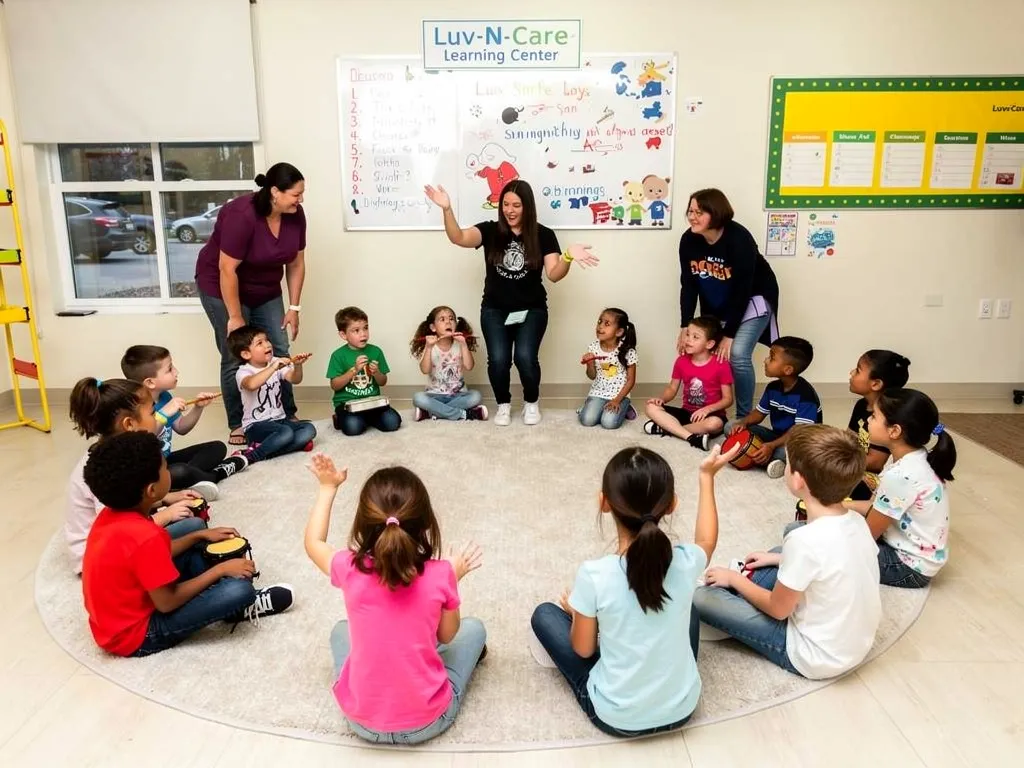
Using simple instruments in early childhood education presents an effective way to engage young minds and enhance learning through music and movement. Instruments such as tambourines, maracas, and xylophones can introduce children to sound exploration while helping them develop rhythm, coordination, and auditory skills. By incorporating these instruments into daily activities, educators can encourage active participation, allowing children to express themselves creatively and build confidence as they discover the joy of making music.
Collaborating With Families to Extend Learning at Home
Collaborating with families to extend learning at home is a vital strategy in enhancing the role of music and movement in early childhood education. Educators can provide families with simple musical activities and movement games that can be easily integrated into daily routines, helping to reinforce the skills learned in the classroom. For example, suggesting parents join in singing songs during car rides or creating rhythmic activities at home can deepen children’s understanding and enjoyment of music:
Share musical resources and activity ideas with families.
Encourage participation in rhythmic games during family time.
Invite parents to bring musical elements into home routines.
Even with the best strategies, challenges often arise in music and movement education. Understanding these hurdles can help educators create a more effective learning experience for their students.
Overcoming Common Challenges in Music and Movement Education
Addressing common challenges in music and movement education is essential for creating effective learning experiences. Adapting activities for children with diverse needs ensures inclusivity, while utilizing limited resources can still yield rich musical experiences. Supporting educators with limited musical backgrounds and managing classroom dynamics during active sessions will strengthen the overall effectiveness of music and movement in early childhood education.
Adapting Activities for Children With Diverse Needs
Adapting activities for children with diverse needs is a critical component of effective music and movement education. Educators can ensure inclusivity by employing varied teaching techniques, such as using visual aids, simplified instructions, or incorporating assistive technology tailored to each child’s specific requirements. By creating an adaptable environment, children of all abilities can engage meaningfully, fostering their love for music and movement.
Employ varied teaching techniques to accommodate different learning styles.
Use visual aids and simplified instructions to enhance understanding.
Incorporate assistive technology when necessary to support participation.
Create an adaptable environment that fosters engagement for all abilities.
Utilizing Limited Resources to Create Rich Musical Experiences
Utilizing limited resources in early childhood education does not have to hinder the ability to create rich musical experiences. Educators can maximize existing materials, such as household items like pots and pans for percussion or using voices for rhythm, to engage children actively in music and movement activities. By fostering creativity and encouraging improvisation, teachers can enhance cognitive and social development, demonstrating that meaningful musical engagement is achievable even when resources are scarce.
Supporting Educators With Limited Musical Background
Supporting educators with limited musical backgrounds is essential for effective music and movement education in early childhood settings. Professional development workshops can provide these educators with the tools and confidence to integrate music into their lesson plans, even if they lack formal training. Additionally, sharing simple musical activities—such as rhythmic clapping or using body percussion—can empower teachers to create engaging environments that enhance children’s learning experiences without requiring advanced musical knowledge.
Managing Classroom Dynamics During Active Sessions
Managing classroom dynamics during active music and movement sessions is crucial for maintaining an engaging learning environment. Educators can establish clear expectations and routines to help children understand what is required during these activities. By using consistent signals—such as hand gestures or vocal cues—teachers can effectively redirect attention and foster a sense of order, ensuring that all children can participate fully while minimizing distractions.
Many have faced challenges in music and movement education. Now, the stories of those who have succeeded offer a path forward.
Case Studies Showcasing Success in Music and Movement Programs
The examination of case studies reveals the profound transformations observed in early childhood settings that embrace music and movement. These settings highlight testimonials from educators regarding improved student engagement and participation. Additionally, the long-term effects of early musical intervention on child development illustrate significant benefits, underscoring the vital role of music and movement in enhancing educational outcomes for young learners.
Transformations Observed in Early Childhood Settings Embracing Music
Transformations in early childhood settings that embrace music and movement often showcase enhanced student engagement and participation. For instance, schools that implement regular music sessions report significant improvements in children’s focus and social interaction, as children learn to cooperate and express themselves through collaborative music activities. These positive changes highlight the effectiveness of integrating music and movement into early childhood education, demonstrating its crucial role in fostering holistic development and improving educational outcomes.
Testimonials From Educators on Improved Student Engagement
Educators across various early childhood settings have reported significant improvements in student engagement through the integration of music and movement. Many teachers noted that children participating in rhythmic activities demonstrated increased focus and enthusiasm during lessons. Moreover, several educators have shared practical examples of how these programs fostered collaboration, allowing children to express their emotions and ideas more freely, which ultimately enhanced their overall learning experience.
Educator’s Experience | Impact on Student Engagement |
|---|---|
Ms. Smith, Preschool Teacher | Observed a 30% increase in children’s participation during music sessions. |
Mr. Johnson, Kindergarten Educator | Reported improved teamwork and cooperation through group rhythm games. |
Ms. Lee, Early Childhood Specialist | Noted enhanced creativity and emotional expression in children engaged in dance. |
Long-Term Effects of Early Musical Intervention on Child Development
Long-term musical intervention in early childhood education has been shown to positively influence various aspects of child development, including cognitive, social, and emotional growth. Studies demonstrate that children who engage with music consistently exhibit enhanced language skills and better memory retention, which are critical for academic success. Furthermore, these children often display greater emotional resilience and social competence, as collaborative music-making fosters strong interpersonal skills and a sense of community among peers, preparing them for future collaborative environments.
With success stories in hand, the next step is to bring these ideas to life. Here are practical tips and activities that educators and parents can use to enrich their children’s experiences in music and movement.
Practical Tips and Activities for Educators and Parents
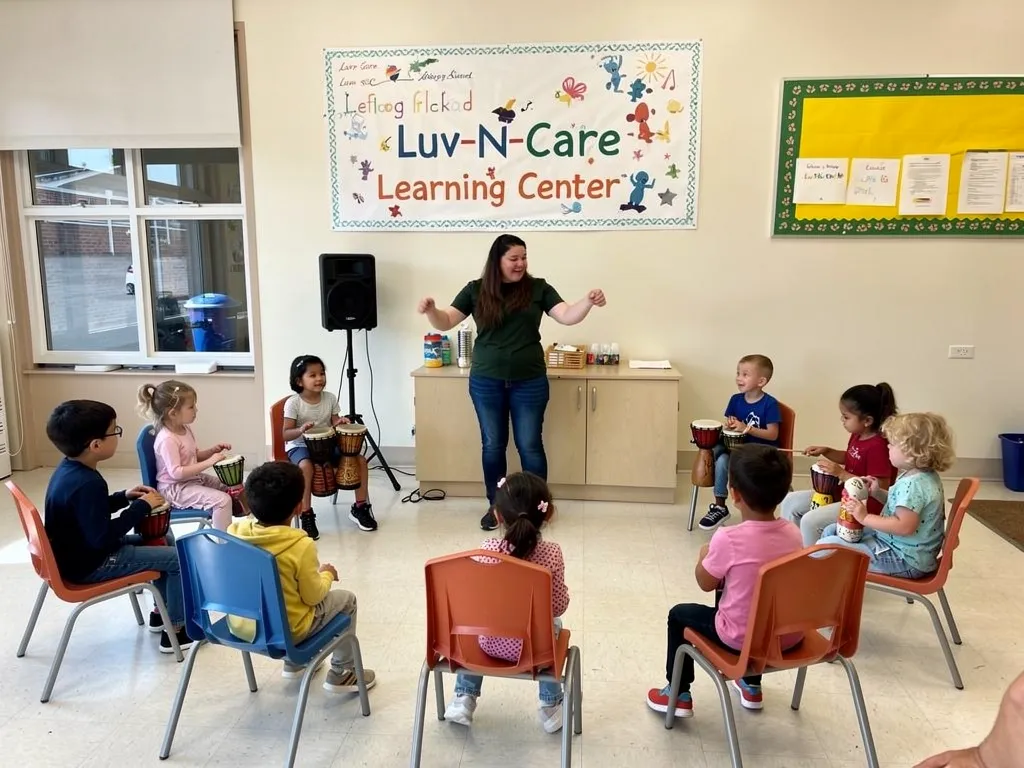
Practical tips and activities for educators and parents can greatly enhance the role of music and movement in early childhood education. Incorporating music into daily routines seamlessly helps children develop listening skills. Creating a safe and inclusive space for movement encourages physical activity. Enhancing participation through music builds confidence, while exploring multicultural music broadens children’s horizons. Leveraging technology can further enrich these experiences.
Incorporating Music Into Daily Routines Seamlessly
Incorporating music into daily routines can greatly enhance early childhood education by making learning engaging and enjoyable. Educators and parents can introduce simple songs for transitions, such as a clean-up song during tidying up or a counting song during snack time, to create a rhythmic structure to daily activities. These musical elements not only reinforce learning but also help children develop listening and memory skills while establishing a familiar routine:
Use songs for transitions like cleanup time or circle activities.
Integrate counting or alphabet songs during snack breaks.
Encourage movement activities linked to music during playtime.
Incorporate music with storytelling to foster literacy skills.
Creating a Safe and Inclusive Space for Movement
Creating a safe and inclusive space for movement is essential in early childhood education to promote physical activity and development. Educators and parents can achieve this by ensuring the environment is free from hazards and equipped with age-appropriate materials that encourage exploration. Incorporating soft mats, open areas for dancing, and various types of movement-generating equipment allows children to express themselves freely while enhancing their motor skills.
Key Elements for a Safe Movement Space | Benefits |
|---|---|
Safe Arrangements | Prevents injuries and allows for unrestricted movement. |
Age-Appropriate Equipment | Encourages diverse physical activities suitable for different developmental stages. |
Open Areas | Facilitates group activities that promote teamwork and social interactions. |
Soft Surfaces | Reduces the risk of injury during movement and play. |
Encouraging Participation and Building Confidence Through Music
Encouraging participation and building confidence through music in early childhood education can be highly effective when educators and parents incorporate interactive musical activities. Simple sing-alongs, where children can join in with familiar tunes or create their own lyrics, promote not only engagement but also a sense of belonging. When children see their contributions recognized in a supportive environment, it fosters both their musical skills and self-esteem, empowering them to express themselves more freely in group settings.
Exploring Multicultural Music to Broaden Horizons
Exploring multicultural music in early childhood education serves as an effective way to broaden children’s horizons and foster understanding of diverse cultures. Educators and parents can introduce songs from various traditions while incorporating simple movement activities that reflect the cultural context of the music. Providing these rich auditory experiences allows children to appreciate differences and similarities in cultures, promoting inclusivity and empathy from a young age.
Leveraging Technology to Enhance Music and Movement Experiences
Leveraging technology in early childhood education can significantly enhance music and movement experiences for young learners. Educators and parents can utilize apps that feature interactive songs and movement activities to engage children effectively, making learning both fun and accessible. For instance, digital platforms that provide rhythm games or virtual dance classes can motivate children to participate actively while developing their musical skills and physical coordination.
Technology Tools | Benefits |
|---|---|
Music Apps | Provide interactive songs that engage children and foster learning. |
Dance Videos | Encourage active participation through guided movement routines. |
Rhythm Games | Enhance fine motor skills and timing through play. |
Conclusion
Exploring the role of music and movement in early childhood education significantly enhances cognitive, physical, and emotional development in young children. These activities foster essential skills such as language acquisition, motor coordination, and social interaction, creating a well-rounded learning environment. By integrating music and movement into daily routines, educators can engage children in a dynamic way that promotes confidence and self-expression. Prioritizing these elements in early learning settings delivers invaluable benefits, laying a strong foundation for lifelong learning and personal growth.