Cultural diversity education is often overlooked in early childhood programs, yet it plays a crucial role in fostering understanding among young children. This blog post will explore the importance of integrating cultural diversity lessons in daycare, the benefits for preschool and kindergarten readiness, and practical strategies for childcare management. Readers will discover how embracing different cultures can create a more inclusive environment, addressing the common challenge of promoting respect and appreciation for diversity in young learners. Engaging with this content will empower daycare providers to enrich their programs and support children’s holistic development.
Key Takeaways
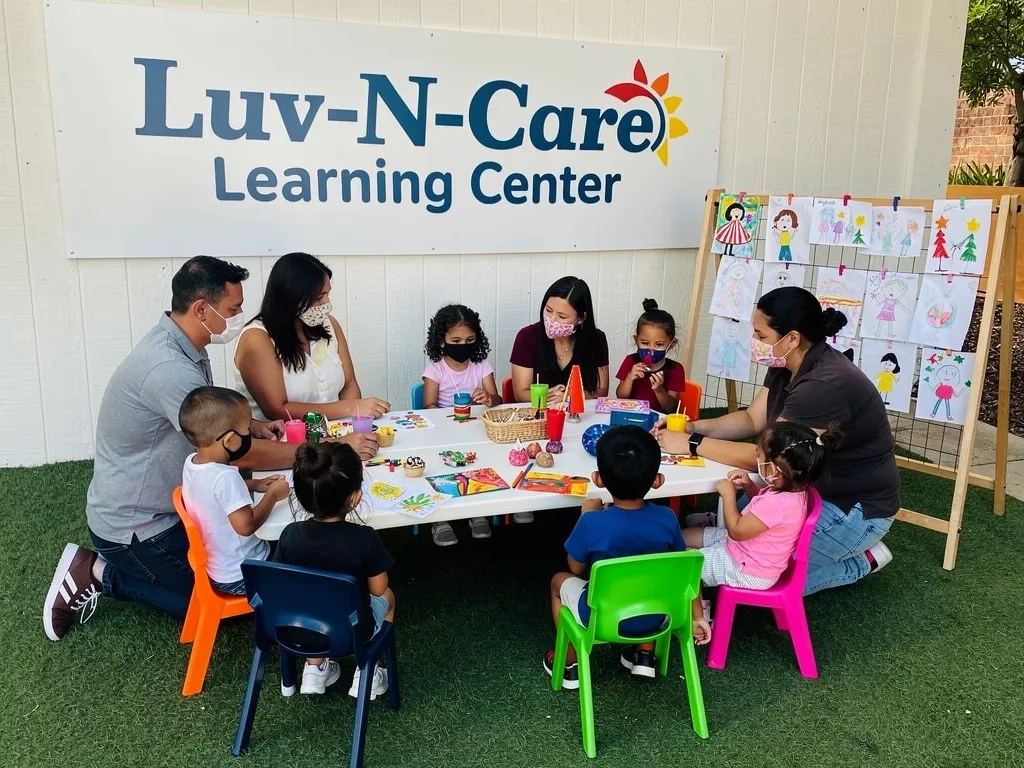
Incorporating cultural diversity in daycare enriches children’s understanding and appreciation of different backgrounds
Engaging families enhances cultural education by sharing traditions and practices within the daycare community
Celebrating various cultural festivals fosters empathy and respect among children, promoting inclusivity
Practical activities like storytelling and art create a deeper connection to diverse cultural narratives
Continuous evaluation and feedback improve cultural diversity initiatives in daycare programs for better outcomes
Understanding the Importance of Cultural Diversity in Early Childhood Education
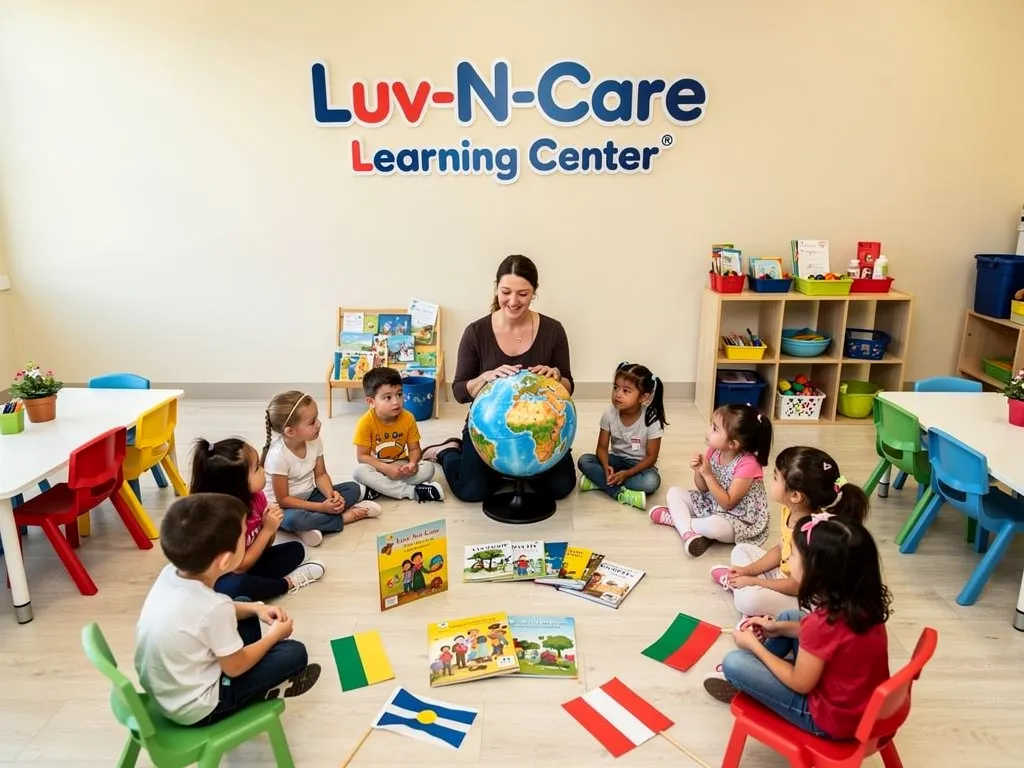
Recognizing the richness of diverse cultures in early childhood education is crucial for creating an inclusive environment. By fostering cultural sensitivity, daycare programs help build empathy and respect among children. This foundational approach encourages critical thinking and challenges stereotypes, setting the stage for inclusive mindsets as children grow. Each aspect of cultural diversity education is vital for nurturing well-rounded individuals.
Recognizing the Richness of Diverse Cultures
Recognizing the richness of diverse cultures is an essential concept in enhancing daycare programs and their curriculum. By incorporating a variety of cultural perspectives, educators can create a more inclusive environment that respects and values differences among children, including those with disabilities. Practical examples, such as celebrating cultural holidays or integrating multicultural themes in physical education activities, empower children to appreciate diversity and foster a sense of belonging within their learning community.
Building Empathy and Respect Among Children
Building empathy and respect among children is fundamental to fostering a culturally diverse environment in daycare programs. By promoting curiosity about different cultures and traditions, children learn to appreciate the nuances of varying backgrounds, including those related to gender and equity. Practical activities, such as storytelling sessions that highlight diverse cultural narratives, encourage children to engage with and understand the perspectives of their peers, helping them develop strong, respectful relationships within their community.
Laying the Foundation for Inclusive Mindsets
Laying the foundation for inclusive mindsets in early childhood education is essential for nurturing social skills and positive behavior among young learners. Daycare programs that recognize and celebrate cultural diversity create an inclusive classroom where children learn to appreciate differences and collaborate effectively. By introducing leadership opportunities, such as group projects that focus on multicultural themes, children can develop the empathy and respect necessary for constructive interactions and a harmonious community.
Cultural diversity shapes young minds, enriching their understanding of the world. This foundation opens doors to numerous benefits when integrated into daycare lessons.
Benefits of Integrating Cultural Diversity Lessons in Daycare
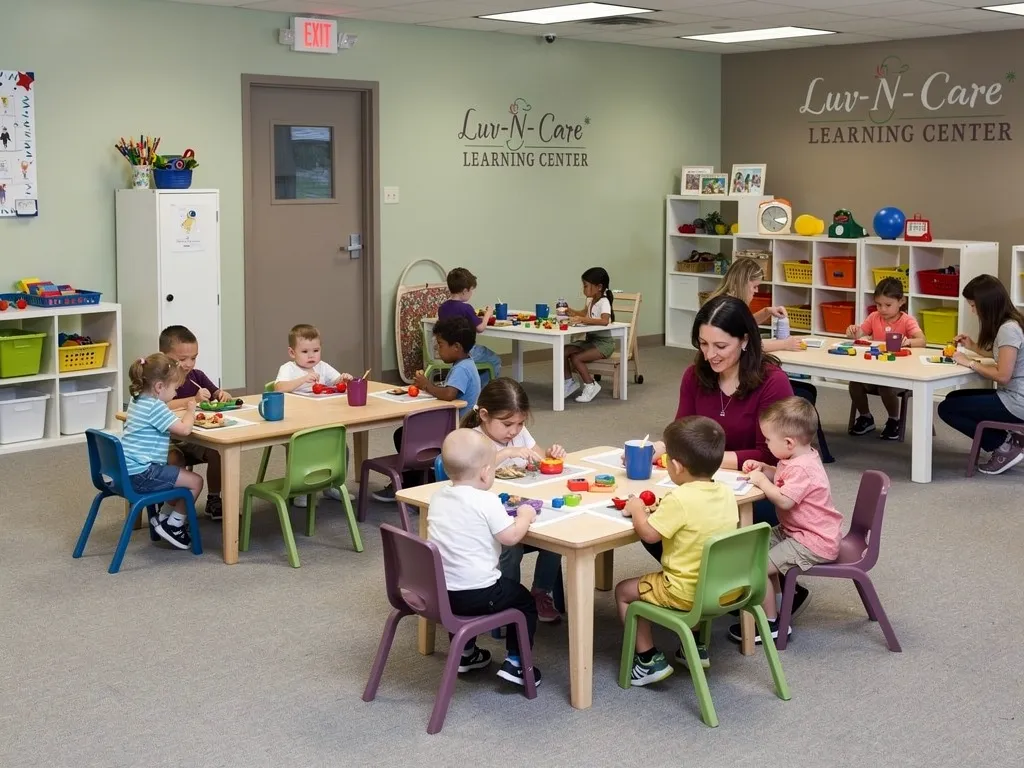
Integrating cultural diversity lessons in daycare programs offers numerous benefits that enhance children’s development. Exposure to various cultures enhances social skills, promotes open-mindedness, and fosters curiosity. It also supports cognitive development by presenting diverse perspectives. Furthermore, these lessons prepare children for a multicultural world, equipping them with valuable skills for future interactions, whether through events like Black History Month or cultural celebrations such as Kwanzaa.
Enhancing Social Skills Through Cultural Exposure
Enhancing social skills through cultural exposure is a fundamental component of daycare programs focused on cultural diversity. When children engage with peers from various backgrounds, they develop greater cultural awareness and learn to appreciate differences, reducing stress and promoting inclusivity. Practical activities, such as collaborative art projects that reflect multiculturalism, empower children to express creativity while building relationships based on respect and understanding.
Key Aspect | Description |
|---|---|
Cultural Awareness | Understanding and appreciating the diverse backgrounds of peers. |
Stress Reduction | Creating an inclusive environment that minimizes anxiety through acceptance. |
Creativity | Encouraging creative expression through multicultural activities. |
Multiculturalism | Fostering a sense of community by celebrating various cultures. |
Fostering Open-Mindedness and Curiosity
Fostering open-mindedness and curiosity in daycare programs emerges as a key benefit of integrating cultural diversity lessons. When children engage with diverse perspectives, they learn to appreciate differences, which enhances their literacy skills and promotes social empathy. Practical training for educators on how to celebrate cultural diversity can further encourage children to explore new ideas and experiences, paving the way for a more inclusive and respectful learning atmosphere.
Key Aspect | Description |
|---|---|
Empathy | Understanding and valuing the feelings and perspectives of others. |
Diversity | Incorporating various cultural backgrounds into learning activities. |
Literacy | Enhancing language skills through diverse cultural narratives. |
Celebrate | Recognizing and honoring different cultural traditions and holidays. |
Training | Educator development programs focused on diversity integration. |
Supporting Cognitive Development With Diverse Perspectives
Supporting cognitive development through diverse perspectives is vital in child care settings. When children interact with various cultural narratives, particularly through picture books that depict different identities and experiences, they learn to recognize and address bias. This exposure not only enhances cognitive skills but also fosters social emotional development by encouraging empathy and critical thinking, helping children to build a well-rounded understanding of the world around them.
Key Aspect | Description |
|---|---|
Child Care | Programs that incorporate diverse perspectives enhance overall child development. |
Picture Book | Engaging children with multicultural stories promotes understanding and acceptance. |
Bias | Identifying and discussing bias helps children develop critical thinking skills. |
Identity | Exploring diverse identities fosters a sense of belonging and confidence in children. |
Social Emotional Development | Activities that promote empathy and awareness support children’s social skills. |
Preparing Children for a Multicultural World
Preparing children for a multicultural world involves integrating lessons that promote understanding and respect for various cultures, including celebrations like Hanukkah. By instilling compassion and the knowledge of different traditions during early childhood, educators support holistic child development. Practical activities, such as cultural exchanges or discussions about global customs, help children appreciate diversity and become empathetic individuals in a connected society:
Introduce celebrations like Hanukkah to teach about different cultures.
Encourage compassion through stories and activities focused on diverse backgrounds.
Foster knowledge of global traditions for comprehensive child development.
Teaching children about different cultures sparks curiosity and understanding. Next, practical strategies will guide caregivers to weave this diversity into everyday activities.
Strategies to Incorporate Cultural Diversity Into Daily Activities

Incorporating cultural diversity into daily activities at a **daycare** center enriches the learning experience for children. Introducing multicultural books and stories provides a foundation for understanding various perspectives. Celebrating cultural festivals and traditions allows children to engage with the world around them. Exploring music and art from different cultures, participating in traditional games, and facilitating language learning all contribute to a well-rounded educational environment.
Introducing Multicultural Books and Stories
Introducing multicultural books and stories into daycare programs serves as an effective strategy for enhancing cultural diversity education. These resources empower children to explore various cultures through engaging narratives and vivid illustrations, fostering a deeper understanding and appreciation of differences. By integrating books that represent diverse backgrounds during storytime or group discussions, educators can encourage children to ask questions, relate to various characters, and reflect on their own experiences, ultimately nurturing a more inclusive environment.
Celebrating Various Cultural Festivals and Traditions
Celebrating various cultural festivals and traditions in daycare programs fosters an inclusive environment that values diversity. By incorporating events such as Diwali, Lunar New Year, or Day of the Dead into the curriculum, educators can engage children in meaningful discussions about different cultural practices and their significance. These celebrations not only enhance children’s understanding of global traditions but also promote empathy and respect, equipping them with the awareness needed to thrive in a multicultural society.
Exploring Music and Art From Around the Globe
Exploring music and art from around the globe is a powerful strategy for enriching daycare programs with cultural diversity education. Engaging children in activities such as learning traditional songs from various cultures or creating art inspired by global artistic styles fosters a deeper appreciation for diversity. These experiences not only enhance creativity but also promote understanding of different cultural practices, enabling children to connect with their peers on a more meaningful level:
Activity | Description |
|---|---|
Musical Exploration | Introduce songs from various cultures during music time to foster appreciation and understanding. |
Art Projects | Encourage children to create artwork inspired by globally recognized art forms and styles. |
Cultural Performances | Host performances that showcase music and dance from different cultures to promote engagement. |
Visual Storytelling | Utilize visual art to tell stories from various cultures, enhancing literacy and cultural awareness. |
Engaging in Games and Activities From Different Cultures
Engaging children in games and activities from different cultures is an effective way to enhance daycare programs with cultural diversity education. These interactive experiences, such as playing traditional games like “Lotería” from Mexico or “Kabaddi” from India, not only provide fun but also enrich children’s understanding of various cultures. By incorporating these games, educators can create an engaging environment that fosters social interactions, teamwork, and a deeper appreciation for global traditions.
Facilitating Language Learning and Vocabulary Expansion
Facilitating language learning and vocabulary expansion in daycare programs can significantly enrich children’s educational experiences. By incorporating songs, rhymes, and stories from various cultures, educators can introduce new vocabulary in a fun and engaging way. Practical activities, such as language games that promote interaction and exploration of different languages, allow children to develop their communication skills and increase their appreciation for diverse linguistic backgrounds, ultimately preparing them for a multicultural world.
Building on these strategies, an inclusive environment is vital for every child. This next step ensures that all children feel seen and valued every day.
Creating an Inclusive Environment in Your Daycare Program

Creating an inclusive environment in a daycare program involves several key strategies. Designing classroom spaces that reflect cultural diversity encourages children to feel represented and valued. Encouraging inclusive play and interaction fosters friendships while providing culturally responsive materials allows for better learning experiences. Promoting equity through fair policies ensures every child receives support, helping to nurture a harmonious and accepting atmosphere.
Designing Classroom Spaces Reflecting Cultural Diversity
Designing classroom spaces that reflect cultural diversity is a key factor in creating an inclusive environment in daycare programs. Educators can achieve this by incorporating decorations, educational materials, and resources that represent various cultures and traditions, fostering a sense of belonging among all children. For example, using maps, flags, and artwork from different regions not only beautifies the space but also serves as conversation starters, encouraging children to engage with and learn about diverse backgrounds:
Design Element | Description |
|---|---|
Decorations | Artwork and cultural artifacts that represent various cultures enhance visual diversity. |
Educational Materials | Books and resources that feature stories and characters from different cultural backgrounds. |
Cultural Maps | Maps highlighting various countries to provide geographical context and foster global awareness. |
Multicultural Flags | Flags of different nations that celebrate the diversity within the classroom. |
Encouraging Inclusive Play and Interaction
Encouraging inclusive play and interaction in daycare programs is essential for fostering cultural diversity education. By creating opportunities for children to engage in cooperative games and activities that celebrate different backgrounds, educators can help children develop social skills and build friendships. For instance, organizing group playtime with culturally themed toys or games invites children to collaborate and learn from one another’s experiences and perspectives:
Implement cooperative games that require teamwork and communication.
Incorporate culturally themed play areas with diverse toys and art supplies.
Encourage children to share stories about their cultural backgrounds during play.
Providing Culturally Responsive Materials and Resources
Providing culturally responsive materials and resources in daycare programs is essential for fostering an inclusive environment that values diversity. By incorporating books, toys, and art supplies that reflect various cultural backgrounds, educators support children’s understanding and appreciation of different traditions. This approach not only increases cultural awareness but also enables children to see themselves represented, enhancing their sense of belonging and acceptance within the learning community.
Promoting Equity Through Fair Policies
Promoting equity through fair policies in daycare programs is essential for creating a truly inclusive environment. By establishing clear guidelines that support all children—regardless of their cultural background, abilities, or needs—daycare centers can ensure that every child receives equal opportunities for growth and learning. Implementing training programs for staff on cultural competency can further enhance understanding and support for diverse family backgrounds, ultimately fostering a welcoming atmosphere where all children thrive.
Creating an inclusive environment is just the beginning. Next, families and communities play a crucial role in enriching cultural education, opening new doors for children to learn and grow.
Engaging Families and Communities in Cultural Education
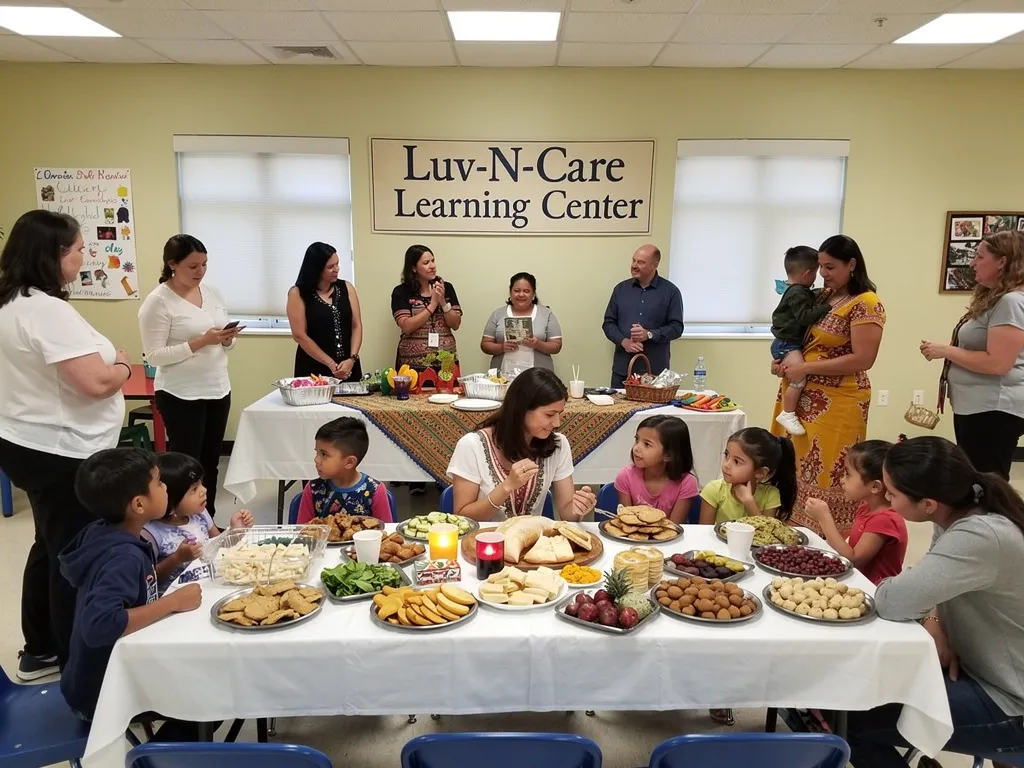
Engaging families and communities in cultural education enhances daycare programs by creating a rich, diverse learning environment. Collaborating with parents to share cultural practices allows children to gain insights into different traditions. Organizing community events highlighting diversity and inviting guest speakers from various backgrounds further broadens children’s perspectives. Encouraging family participation in classroom activities reinforces the value of inclusion and appreciation for diverse cultures.
Collaborating With Parents to Share Cultural Practices
Collaborating with parents to share cultural practices significantly enhances daycare programs by providing children with firsthand insights into diverse traditions. By inviting parents to participate in cultural sharing sessions, educators can facilitate interactions that highlight the richness of different heritages. This approach not only fosters a sense of community within the daycare setting but also empowers families to contribute to their children’s understanding of cultural diversity, making learning more relevant and engaging.
Organizing Community Events Highlighting Diversity
Organizing community events that highlight diversity significantly enriches daycare programs by fostering a broader understanding of different cultures. These events, such as multicultural fairs or cultural appreciation days, provide an opportunity for children and their families to experience various traditions firsthand. By engaging local community members as guests or performers, daycare programs can create memorable experiences that teach children about respect, acceptance, and the beauty of diversity:
Event Type | Description |
|---|---|
Multicultural Fair | A day where families share foods, crafts, and traditions from their cultures. |
Cultural Storytelling | Inviting community members to share traditional stories from their heritage. |
Music and Dance Performances | Showcasing cultural music and dance to engage children and families. |
Art Exhibits | Displaying artworks representing different cultures to promote creativity and discussion. |
Inviting Guest Speakers From Various Backgrounds
Inviting guest speakers from various backgrounds into daycare programs enriches cultural diversity education by providing children with firsthand insights into different traditions and experiences. These speakers can share engaging stories, demonstrate unique practices, and answer children’s curiosity, fostering a deeper understanding of various cultures. By exposing young learners to diverse perspectives, daycare centers not only enhance empathy and respect among children but also create a welcoming community that values inclusion and awareness of global diversity.
Encouraging Family Participation in Classroom Activities
Encouraging family participation in classroom activities significantly enhances cultural diversity education within daycare programs. By inviting parents to share their cultural practices, stories, or even traditional recipes, daycare centers foster a sense of community and provide children with firsthand insights into different backgrounds. This approach not only enriches the learning experience for children but also strengthens the bond between families and educators, creating a supportive environment that values inclusion:
Organize cultural sharing days where parents can present their traditions.
Host storytelling sessions featuring tales from various cultures narrated by family members.
Offer cooking classes with traditional dishes from different backgrounds.
Families and communities share rich stories that shape a child’s view of the world. Understanding these tales leads to the essential task of measuring their impact in education.
Evaluating the Impact of Cultural Diversity Education

Evaluating the impact of cultural diversity education in daycare programs involves several key components. Observing changes in social interactions among children offers insights into the effectiveness of diversity initiatives. Gathering feedback from parents and educators helps identify strengths and weaknesses in the curriculum. Adjustments based on assessment outcomes ensure the program evolves effectively, while celebrating successes and recognizing areas for growth fosters a commitment to continuous improvement.
Observing Changes in Social Interactions Among Children
Observing changes in social interactions among children is essential for evaluating the impact of cultural diversity education in daycare programs. Educators can notice improvements in how children communicate and collaborate as they engage with one another in diverse settings. Practical examples, such as children initiating conversations about cultural themes or demonstrating empathy during group activities, highlight the benefits of an enriched learning environment that fosters understanding and inclusivity.
Gathering Feedback From Parents and Educators
Gathering feedback from parents and educators is essential in evaluating the effectiveness of cultural diversity education within daycare programs. This feedback provides firsthand insights into how successfully the curriculum engages children and promotes an understanding of various cultures. For example, regular surveys and informal discussions can be implemented to assess parents’ perceptions of their children’s social interactions and cultural awareness, ensuring that programs can be adjusted to meet the needs of the community effectively:
Feedback Method | Description |
|---|---|
Surveys | Structured questionnaires to gather opinions on cultural activities and their impact. |
Parent-Teacher Conferences | Direct discussions about children’s experiences and understanding of diverse cultures. |
Focus Groups | Small group meetings with parents and educators to discuss cultural diversity initiatives. |
Classroom Observations | Monitoring how children interact and express themselves in culturally diverse settings. |
Adjusting Curriculum Based on Assessment Outcomes
Adjusting the curriculum based on assessment outcomes is essential for maximizing the effectiveness of cultural diversity education in daycare programs. This process involves regularly reviewing children’s interactions, cultural awareness, and feedback from parents and educators to identify areas that require enhancement or modification. For instance, if assessments reveal that children are less engaged with specific cultural topics, educators can introduce new activities or resources to better captivate their interest, ultimately leading to a more inclusive learning environment that supports all children’s development.
Review assessment outcomes to identify engagement levels in cultural topics.
Introduce new activities or resources based on feedback from children and families.
Modify the curriculum to ensure a comprehensive understanding of cultural diversity.
Foster an inclusive learning environment through careful evaluation and adjustments.
Celebrating Successes and Identifying Areas for Growth
Celebrating successes in cultural diversity education is crucial for recognizing the positive impact these initiatives have on children’s development in daycare programs. By highlighting instances where children show increased empathy and understanding towards diverse cultures, educators can reinforce the value of inclusive education. Additionally, identifying areas for growth allows daycare centers to adapt their curriculum and activities to better meet the diverse needs of their students, promoting continuous improvement and fostering an environment where all children feel represented and supported.
Conclusion

Enhancing daycare programs with cultural diversity education is essential for fostering an inclusive environment where children can thrive socially and emotionally. By integrating diverse cultural perspectives, programs cultivate empathy, respect, and open-mindedness among young learners. Engaging families and communities further enriches this education, creating a sense of belonging and appreciation for different traditions. Ultimately, prioritizing cultural diversity in early childhood education equips children with the necessary skills to navigate and succeed in an increasingly multicultural world.