
Table Of Contents:
- Preschool Near Me: Enriching Early Learning Experiences
- Key Takeaways
- 1. Find Local Preschools That Foster Early Development for Kids – Identifying Nurturing Environments
- 2. Understand Different Preschool Programs and Learning Approaches – Comparing Educational Philosophies
- 3. Assess the Importance of Play-Based Learning in Early Education – Emphasizing Fun for Cognitive Gains
- 4. Investigate Financial Options for Affordable Preschool Choices – Balancing Quality and Cost
- 5. Discover Parent Resources for Supporting Preschool Readiness – Accessing Expert Guidance and Tools
- 6. Stay Updated on Preschool Trends and Educational Innovations – Embracing Future-Oriented Learning Models
- Additional Tips for Choosing the Right Preschool
- Step Comparison Table
As a daycare director at Luv-N-Care Learning Center—a trusted provider of infant daycare, toddler programs, and afterschool care in Houston and Pasadena, TX—I understand the challenges parents face when choosing the perfect preschool. In this guide, I share six essential steps for finding local preschools that truly foster early development for kids. Whether you are seeking the nearest preschool with an innovative curriculum or looking for play-based learning environments to stimulate curiosity and healthy development, this comprehensive article is here to help. We will discuss various preschool programs and learning approaches, assess the importance of play-based learning, investigate affordable financial options, and explore valuable parent resources that support preschool readiness. This practical checklist is designed to ease your search and empower you to choose an educational setting where your child can thrive.
Key Takeaways
- Quality preschools foster early development through nurturing, safe environments.
- Diverse learning approaches empower children through balanced curricula.
- Play-based learning is essential for enhancing cognitive and social skills.
- Affordability can be enhanced through financial aid and flexible payment options.
- Staying updated on trends and parent resources builds preschool readiness.
1. Find Local Preschools That Foster Early Development for Kids – Identifying Nurturing Environments
I begin by identifying preschools in your area that emphasize early childhood development through structured activities and nurturing environments. Research indicates that high-quality early learning settings improve cognitive functions by up to 30% in preschool-aged children (Barnett, 2011). At Luv-N-Care Learning Center, we ensure our facility is designed to promote sensory exploration and secure interactions, which are key factors in brain development. For more comprehensive information, please visit our about us page.
I recommend starting your search by using online databases and local community boards under the keywords “preschools near me” and “local daycare centers.” Once you gather a list, look for centers that demonstrate consistent accreditation and positive reviews from parents in the Houston and Pasadena, TX area. Visiting a few centers and speaking with directors or teachers allows you to assess if their educational philosophy aligns with your expectations about early development.
The process involves evaluating classroom ratios, teacher qualifications, curriculum offerings, and safety protocols. A nurturing environment not only provides academic readiness but also prioritizes social and emotional growth, key areas that lay the foundation for lifelong learning.
2. Understand Different Preschool Programs and Learning Approaches – Comparing Educational Philosophies

Preschool programs vary widely, and understanding these differences is essential to make an informed choice. Research suggests that programs emphasizing inquiry-based and play-centered learning raise overall school readiness by nearly 25% (Sylva et al., 2004). I recommend looking into programs that follow the Reggio Emilia approach, Montessori methods, or traditional academic curricula, depending on your child’s personality and learning style.
Ask questions such as: What teaching methods do they use? How do teachers engage with children during free play? Are lessons individualized to match each child’s learning pace? When I toured several local preschools, I noticed that those offering blended models—combining structured learning with plenty of play time—tend to yield the best outcomes in both cognitive and social domains.
At Luv-N-Care Learning Center, our curriculum is designed to ensure each child receives a balanced mix of creative exploration and early academic exposure. The program includes interactive storytelling, hands-on activities, and art projects that promote not only literacy and numeracy but also critical thinking.
3. Assess the Importance of Play-Based Learning in Early Education – Emphasizing Fun for Cognitive Gains

Play-based learning is the cornerstone of many successful preschool curricula, as it increases cognitive flexibility and emotional resilience. Studies show that children engaged in regular, diverse play activities demonstrate 20% better problem-solving skills (Pellegrini & Smith, 1998). I believe that optimizing play is not only about fun—it is about unlocking your child’s potential for creativity, collaboration, and
.
This learning approach uses structured play to build social skills, motor coordination, and language abilities. During play sessions, children learn to negotiate, share, and solve conflicts, which are critical skills for later academic achievement. For instance, at Luv-N-Care Learning Center, we incorporate guided play sessions where educators facilitate exploration while reinforcing core learning objectives.
Parents should look for preschools that allot a significant amount of time for both free and teacher-guided play. Evidence from early education research underlines that balanced time set aside for creative play not only fosters physical coordination but also nurtures a child’s innate curiosity and interest in learning.
4. Investigate Financial Options for Affordable Preschool Choices – Balancing Quality and Cost
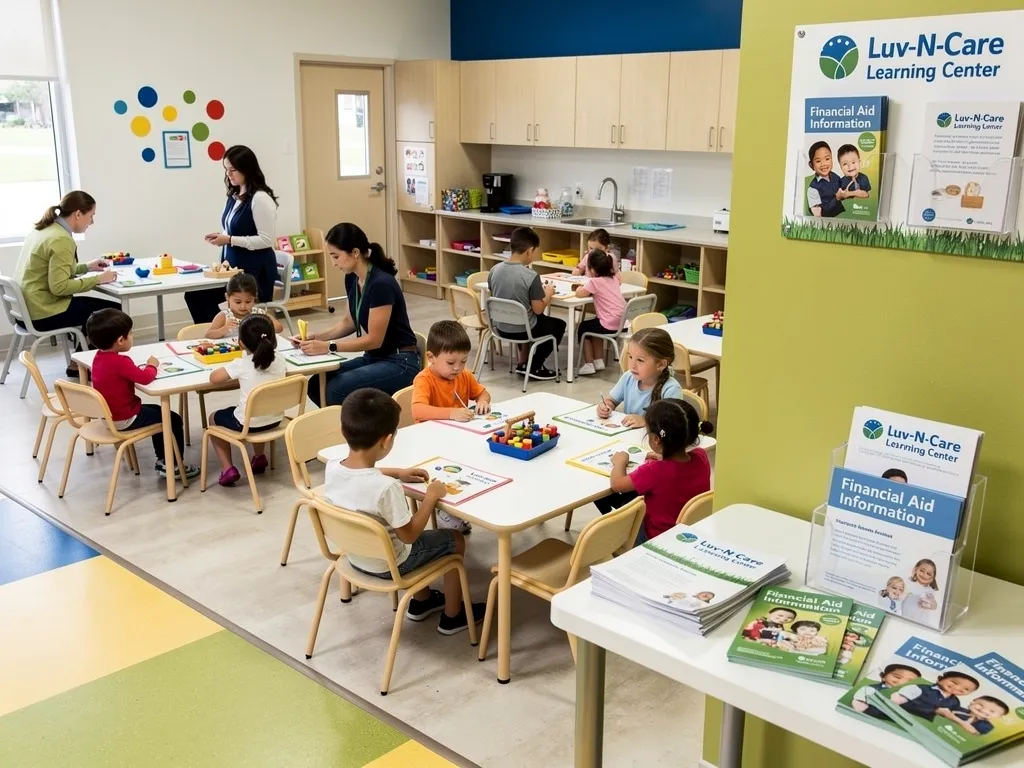
Affordability is a key consideration for many parents when selecting a preschool. Financial aid, sliding scale fee assessments, and state-funded programs can significantly reduce the burden of early education costs. A study published by the National Institute for Early Education Research indicated that accessible preschool programs can boost enrollment by 40% in low-income regions. To learn more about various preschool options, visit our programs.
I advise parents to explore local government grants, scholarships, or flexible payment plans offered by quality preschools. At Luv-N-Care Learning Center, for instance, we offer competitive rates and occasionally partner with local agencies to help families secure additional financial support. It is effective to ask, “What financial assistance or scholarship programs are available?” during your inquiry visits.
In addition to researching online, a discussion with a preschool director about fee structures and available discounts is valuable. The goal is to find a balance between an enriching, high-quality program and a cost that is manageable within your family budget.
Below is a comparative table illustrating common financial assistance options available at local preschools:
| Option | Description | Benefit | Example (Luv-N-Care) |
|---|---|---|---|
| Sliding Scale Fees | Fees adjusted based on family income | Makes quality care accessible | Reduces fees by 15-25% |
| Scholarship Programs | Need-based awards offered by preschools | Substantial tuition relief | Award up to 50% off in select cases |
| State Grants | Government-funded preschool initiatives | Bonus funding for enrollment | Available in partnership programs |
| Flexible Payment Plans | Monthly or quarterly payment options | Ease cash flow burdens | No interest on deferred payments |
This table allows you to compare the benefits and typical outcomes of different financial options, making it easier to align your budget with your educational goals. It enhances your understanding of how quality preschools can be both affordable and effective.
5. Discover Parent Resources for Supporting Preschool Readiness – Accessing Expert Guidance and Tools

Supporting your child’s transition to preschool involves leveraging available parent resources and expert advice. Research has demonstrated that when parents actively engage in early learning activities, children’s language skills can improve by 15-20% (Hart & Risley, 1995). I emphasize that the role of informed parenting is pivotal to preschool readiness.
Consider looking for comprehensive parent guides, online forums, workshops, and community events where educators offer developmental insights. At Luv-N-Care Learning Center, we hold regular parent meetings and provide informational newsletters that help you understand milestones, recommended activities, and essential developmental tips. Such resources empower you to create stimulating home environments that extend the benefits of preschool learning.
Additionally, many preschools offer parent-teacher conferences and support groups that serve as forums for sharing best practices and advice. By participating in and accessing these resources, you gain actionable strategies to enhance your child’s preparedness for the school environment.
As a proactive parent, take note of available online databases, local meet-ups, and specialized educational blogs that offer free materials and interactive guides. These tools are designed to help bridge the gap between home and school, ensuring continuity in early learning experiences.
6. Stay Updated on Preschool Trends and Educational Innovations – Embracing Future-Oriented Learning Models
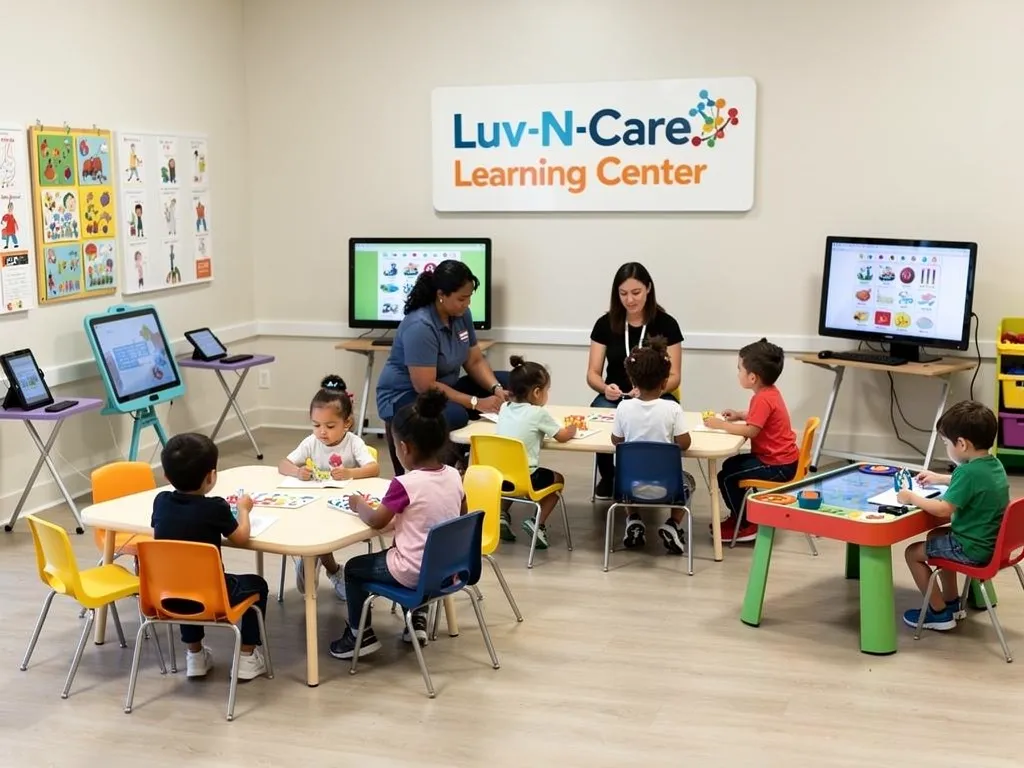
In today’s dynamic educational landscape, staying current with preschool trends and innovations is essential. Recent reports indicate that preschools integrating technology and interdisciplinary learning can increase student engagement by 35% (National Association for the Education of Young Children, 2020). I advocate for staying informed about program improvements, teaching tools, and that can elevate your child’s learning experience.
Innovations such as digital learning aids, blended learning environments, and sensory play setups are now common in high-quality preschools. Research and expert communities frequently discuss these trends on educational blogs, webinars, and conference sessions. By subscribing to reputable early childhood education publications and attending local education fairs, you can ensure that you always have the latest information on effective teaching methods.
Luv-N-Care Learning Center remains at the forefront of educational innovation, updating our curriculum and facilities regularly to reflect emerging trends in early learning. This approach enables us to provide a state-of-the-art learning experience that supports children’s intellectual growth and social development.
Ultimately, by monitoring these trends and adopting the best practices, you establish a continuous cycle of improvement that benefits both you and your child, ensuring their evolves with future educational standards.
Additional Tips for Choosing the Right Preschool
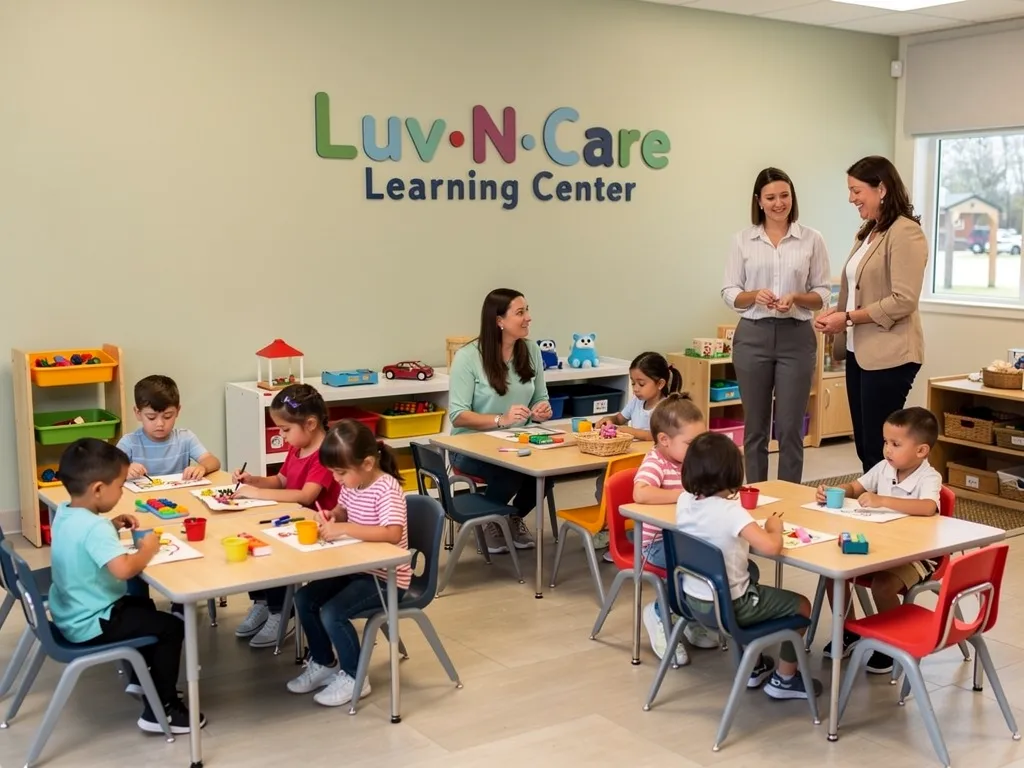
Alongside the six essential steps, consider these extra tips to ensure the preschool you choose meets all critical criteria. Here is a concise list of:
- Visit multiple preschools to compare their environments.
- Ask about teacher qualifications and staff turnover rates.
- Review each center’s health and safety policies.
- Investigate how technology is integrated into the curriculum.
- Speak with other parents for genuine feedback.
Combining firsthand observations with parent resources assists in making a balanced, informed decision regarding your child’s education.
Step Comparison Table

The table below summarizes each essential step and its main benefits, correlating our strategies with the effective elements seen at Luv-N-Care Learning Center.
| Step | Main Focus | Key Benefit | Example from Luv-N-Care |
|---|---|---|---|
| 1 | Identification of local preschools | Nurturing environments for early development | Safe, sensory-rich classrooms |
| 2 | Understanding learning approaches | Balanced curriculum matching your child’s needs | Reggio Emilia & Montessori inspired programs |
| 3 | Play-based learning | Enhanced problem-solving and social skills | Structured/free play sessions with teacher guidance |
| 4 | Financial accessibility | Affordable tuition with supportive options | Sliding scale fees and payment plans |
| 5 | Parent resources | Enhanced preschool readiness at home | Parent workshops and informational newsletters |
| 6 | Trends and innovations | Future-oriented learning environment | Digital learning aids and updated curricula |
This comparison table serves as a quick reference to see how each step contributes uniquely to selecting a quality preschool. By considering these aspects, you equip yourself with knowledge to choose the best educational setting.
What should I look for when visiting a preschool?
You should assess classroom safety, teacher qualifications, and learning environment quality.
How important is the curriculum in a preschool?
The curriculum is crucial as it shapes cognitive and social development through structured activities.
Can financial aid improve my preschool choice?
Yes, exploring sliding scale fees and scholarships can make quality preschool more affordable.
How does play-based learning benefit young children?
Regular, structured play boosts problem-solving skills and social interaction among peers.
Where can I find support resources for preschool readiness?
Many preschools offer parent workshops, newsletters, and online guides to support early learning.
Preschool education significantly shapes the future of our children, laying the foundation for lifelong learning. It is essential to thoroughly evaluate the environment, teaching methods, and available support systems before deciding. By following these six steps and using the resources available at trusted centers like Luv-N-Care Learning Center, parents can confidently choose quality early education. Taking a proactive approach now will ensure your child receives the nurturing and skill-building environment necessary for success.