
Many parents worry about their child’s speech development and the potential for speech delays, especially for infants born preterm. Research shows that daycare can significantly enhance infant language development through structured activities. This article will explore key ways daycare providers promote communication skills, effective activities to boost language skills, and how parents can collaborate with caregivers for optimal growth. By understanding these elements, parents can better support their child’s journey towards effective communication and ensure they are on track for a successful preschool experience.
Key Takeaways
- Early language development begins with listening and cooing during the first six months
- Social interactions in daycare enhance infants’ communication skills through peer engagement
- Regular storytelling and music activities foster vocabulary and phonetic awareness
- Caregivers play a crucial role in identifying and addressing language delays early
- Creating a language-rich home environment complements daycare learning and supports ongoing language development
Understanding Infant Language Development Stages
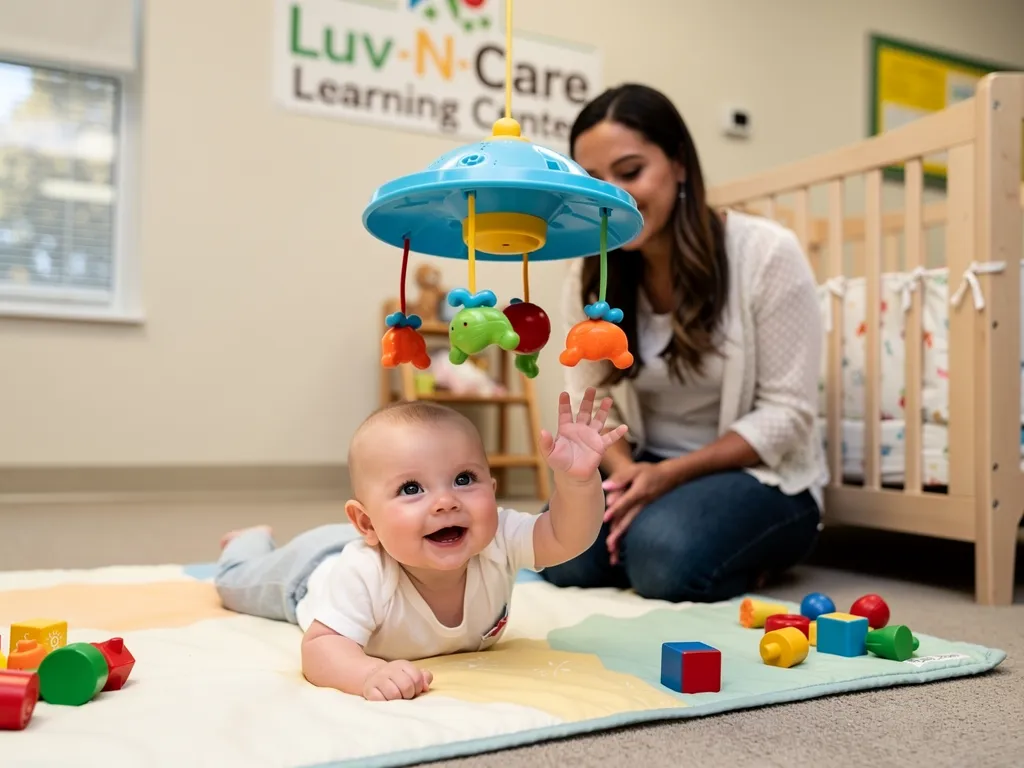
Infant language development progresses through distinct stages that are vital for effective communication. Milestones from birth to six months focus on listening and cooing at a daycare center, indicating initial language engagement. Between six and twelve months, communication skills develop as infants begin to use gestures and sounds. Additionally, identifying early signs of language delays is important in addressing potential language disorders and ensuring proper audiology support.
Milestones From Birth to Six Months
During the first six months of life, language acquisition begins as infants engage with their surroundings through listening and cooing. This early stage is critical for building the foundations of conversation, as infants start to recognize the rhythm and melody of speech. Caregivers can support this development by incorporating activities that introduce rhyme and verbal play, which can reduce the risk of language delay.
| Age Range | Milestone | Parent/Caregiver Activities |
|---|---|---|
| 0-2 months | Cooing begins | Respond to coos with conversation |
| 2-4 months | Vocalization increases | Use musical toys to introduce rhythm |
| 4-6 months | Starts to babble with variety | Play games that involve repetition and rhyme |
Communication Skills Between Six and Twelve Months
Between six and twelve months, infants enhance their communication skills significantly through imitation, gestures, and varying tones. During this stage, they begin to understand the nuances of language, often mimicking sounds and tones they hear from caregivers. Engaging infants with nursery rhymes and rhythmical activities not only boosts their cognition but also encourages them to use gestures to express their needs and emotions, laying a solid foundation for further language development.
Identifying Early Signs of Language Delays
Identifying early signs of language delays is crucial for effective intervention. Caregivers, particularly mothers, should observe their infants for consistent speech production, including babbling and varied facial expressions that indicate interest in communication. If a child is not reaching typical milestones for these skills, such as mimicking sounds or displaying appropriate reactions to verbal cues, it may signal a potential pathology that warrants further evaluation and support.
As infants reach each new stage of language development, their need for social interaction grows. Daycare provides a rich environment, nurturing these budding skills and helping children express themselves with clarity and confidence.
The Role of Daycare in Promoting Communication Skills
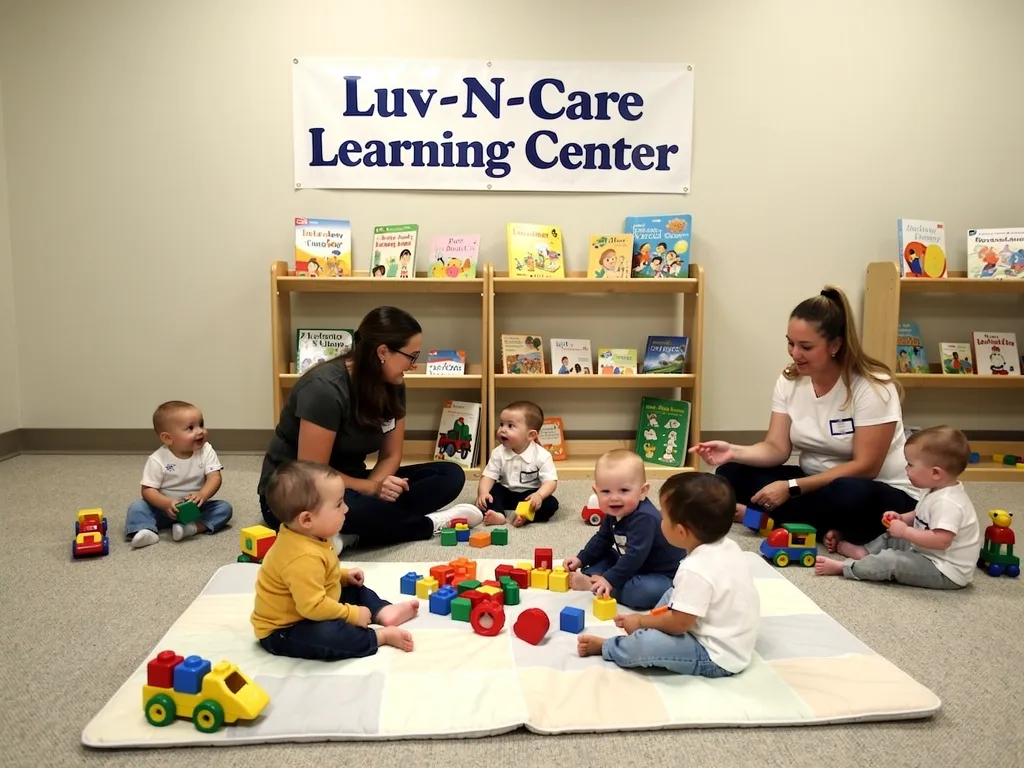
Daycare environments play a vital role in enhancing infant language development by providing essential social interaction opportunities. Through daily activities, infants are exposed to diverse vocabulary and sounds, fostering their language skills. Additionally, trained caregivers offer targeted attention and strategies that support effective communication, helping to identify potential issues such as apraxia early on. Each aspect contributes significantly to the overall enhancement of communication abilities in young children.
Social Interaction Benefits in Daycare Settings
In daycare settings, social interaction significantly benefits language development by encouraging communication among infants. Through regular engagement with peers and caregivers, children learn to express their needs and emotions, which can be essential in identifying speech disorders or developmental challenges such as those found within the autism spectrum. Utilizing techniques such as sign language within group activities not only reduces stress among infants but also fosters a more inclusive environment that promotes efficient communication skills from an early age.
Exposure to Diverse Vocabulary and Sounds
Daycare environments are invaluable for enhancing infant language development, particularly through exposure to diverse vocabulary and sounds. Engaging infants in activities that incorporate various speech patterns and sounds fosters their understanding of the English language and lays the groundwork for literacy skills. For instance, caregivers can implement individualized education programs that feature interactive reading sessions or music that introduces new words, encouraging infants to connect sounds with meanings and express their ideas more effectively.
Trained Caregivers Enhancing Language Opportunities
Trained caregivers play a crucial role in enhancing language opportunities for infants by introducing effective communication strategies and recognizing early signs and symptoms of potential delays. For instance, caregivers can incorporate lullabies and rhythmic phrases during interactions, which not only soothe infants but also promote phonetic awareness. By observing the child’s responses, caregivers can tailor activities that encourage vocalization and social interaction, ultimately reducing the risk of language development issues and guiding families toward appropriate therapy options if necessary.
Daycare shapes the way children learn to speak and connect. Next, explore activities that can spark their language growth and make communication come alive.
Effective Daycare Activities for Boosting Language Skills
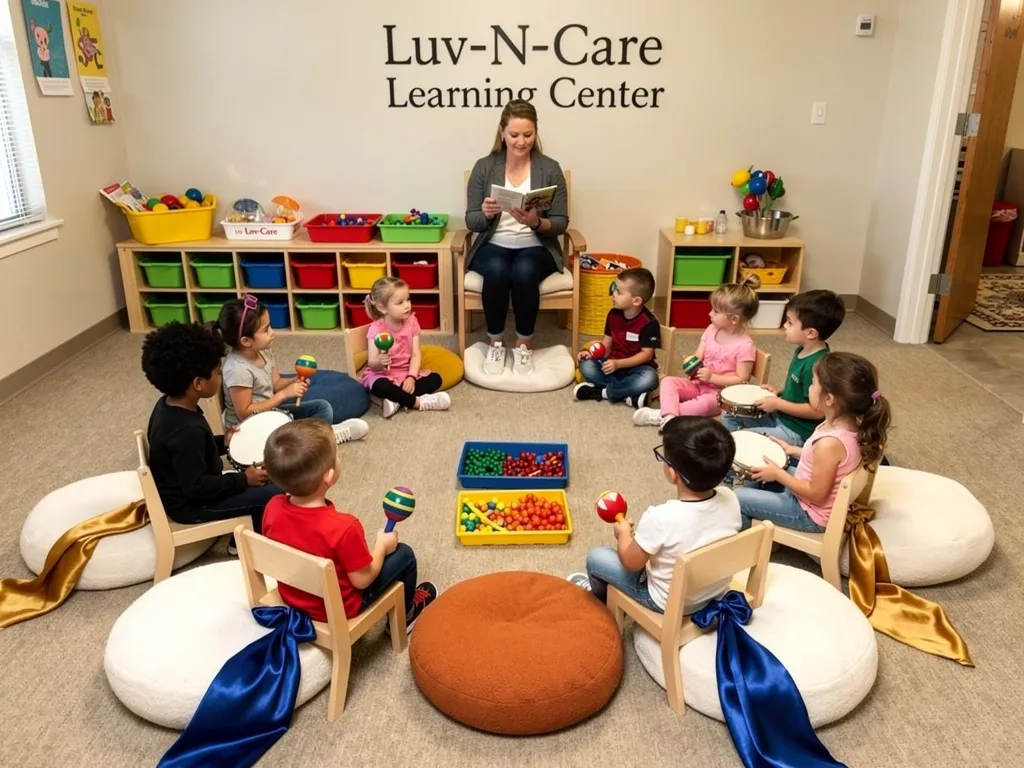
Storytelling and reading aloud sessions are foundational for fostering language skills through babbling and verbal engagement. Music and singing serve as effective language tools, while interactive play encourages communication and nonverbal communication skills. Incorporating sign language offers an early means of expression, and sensory activities further stimulate language development, aligning with principles from the National Institute on Deafness and Other Communication Disorders.
Storytelling and Reading Aloud Sessions
Storytelling and reading aloud sessions are essential activities in daycare settings that significantly enhance infant language development. By engaging young children with captivating stories, caregivers introduce new vocabulary and concepts, fostering an early love for language. These interactive sessions also promote strong listening skills, as infants learn to associate words with meanings, laying a crucial foundation for their future literacy.
Music and Singing as Language Tools
Music and singing serve as powerful tools in daycare settings for enhancing infant language development. By engaging infants with songs and rhythmic patterns, caregivers can stimulate phonetic awareness and introduce new vocabulary. Incorporating music-based activities not only entertains children but also boosts their ability to recognize sounds and develop listening skills, forming a strong linguistic foundation.
| Activity | Benefits | Tips for Implementation |
|---|---|---|
| Sing songs with repetitive lyrics | Enhances sound recognition and vocabulary acquisition | Choose familiar tunes to engage infants |
| Incorporate movement with music | Encourages coordination and social interaction | Use clapping or dancing to stimulate participation |
| Utilize musical instruments | Promotes auditory skills and rhythm awareness | Introduce simple instruments to create sound |
Interactive Play Encouraging Communication
Interactive play serves as a key component in enhancing infant language development within daycare settings. Activities such as pretend play, where infants mimic real-life scenarios, encourage communication and foster essential social skills. By providing opportunities for infants to engage with peers and caregivers during these playful interactions, caregivers can promote vocabulary use and boost expressive language skills, creating a solid foundation for future communication.
Incorporating Sign Language for Early Communication
Incorporating sign language for early communication in daycare settings offers infants a valuable tool for expressing their needs and emotions before verbal skills fully develop. Caregivers can implement simple signs during daily activities, such as “more,” “all done,” or “please,” to enhance understanding and encourage participation. This not only reduces frustration for infants but also fosters a supportive learning environment that nurtures language development and social interaction.
Sensory Activities That Stimulate Language Development
Sensory activities play a crucial role in stimulating language development in infants by engaging their senses and enhancing their cognitive skills. For example, activities like exploring different textures or scents can create opportunities for caregivers to introduce new vocabulary and encourage verbal expression as infants react to their experiences. These activities not only promote language skills but also foster curiosity and social interaction, essential elements for effective communication in early childhood development:
| Activity | Benefits | Implementation Tips |
|---|---|---|
| Texture Exploration | Enhances descriptive language and vocabulary | Provide various textured materials for infants to touch |
| Scent Games | Encourages verbal expression and memory recall | Introduce safe scents like fruits or herbs for recognition |
| Sound Discovery | Stimulates auditory skills and phonetic awareness | Use instruments or everyday objects to create noise |
Language skills grow with every word spoken. To nurture this growth further, collaborating with daycare providers is key.
Collaborating With Daycare Providers for Optimal Growth

Effective collaboration with daycare providers is essential for enhancing infant language development. Parents can communicate their child’s needs and progress to ensure tailored support. Aligning home and daycare language strategies creates a consistent learning environment. Additionally, active participation in daycare language programs can further stimulate growth, fostering a strong foundation for effective communication.
Communicating Your Child's Needs and Progress
Effective communication with daycare providers is crucial for enhancing infant language development. Parents should share insights about their child’s current language skills, behaviors, and any specific needs, ensuring that caregivers are equipped to support their child’s unique learning journey. Regular updates from daycare staff about the child’s progress can also inform parents about successful strategies and activities that may be beneficial at home:
- Discuss specific language milestones the child is achieving.
- Share observations of the child’s interactions with peers.
- Ask for recommendations on activities that can be continued at home.
Aligning Home and Daycare Language Strategies
Aligning home and daycare language strategies is vital for fostering consistent language development in infants. Parents can enhance their child’s communication skills by reinforcing similar vocabulary and techniques practiced in daycare settings at home. Regular discussions with caregivers about effective strategies, such as reading routines or specific language games, can create a harmonious learning environment that supports the child’s growth in both contexts:
| Strategy | Purpose | Implementation at Home |
|---|---|---|
| Routine Reading | Builds vocabulary and comprehension | Read the same books used in daycare |
| Modeling Language | Promotes language imitation | Use clear and simple speech during interactions |
| Engaging in Play | Encourages expressive language | Incorporate similar activities from daycare |
Participating in Daycare Language Programs
Participating in daycare language programs is vital for enhancing infants’ language development. These structured activities provide children with ample opportunities to engage with language through interactive sessions like storytelling, music, and group discussions. Parents should take an active role in these programs by attending workshops or family activities, ensuring they reinforce the language skills being nurtured by caregivers.
| Program Type | Focus Area | Benefits |
|---|---|---|
| Storytelling Sessions | Vocabulary Building | Enhances language comprehension and fosters a love for reading |
| Music Activities | Phonetic Awareness | Boosts auditory skills and encourages sound recognition |
| Group Discussions | Social Interaction | Promotes expressive language and peer communication |
Daycare lays a strong foundation for children’s development. Yet, the real growth happens when parents take an active role at home.
Parental Involvement in Reinforcing Skills at Home
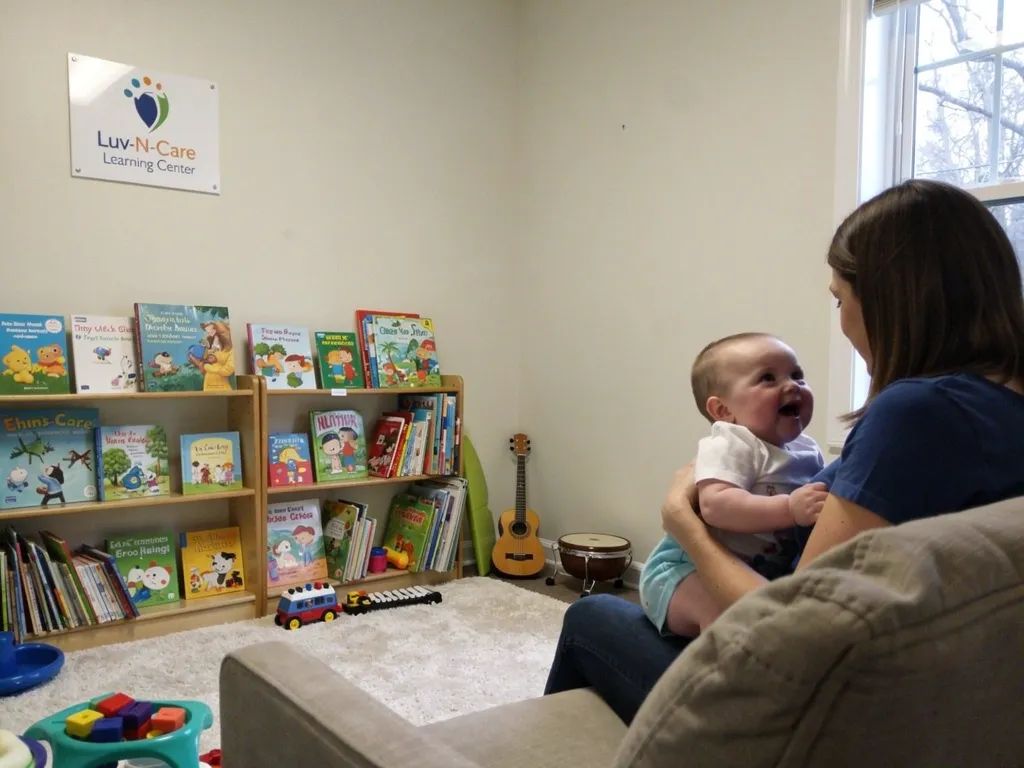
Creating a language-rich home environment is essential for reinforcing the language skills learned in daycare. Parents can continue daycare activities at home, integrating storytelling, singing, and interactive play into daily routines. Additionally, encouraging multilingual development can further enrich an infant‘s communication abilities. These strategies frame a comprehensive approach to supporting a child’s language growth.
Creating a Language-Rich Home Environment
Creating a language-rich home environment is essential for reinforcing the language skills infants develop at daycare. Parents can easily integrate activities such as reading aloud daily, singing nursery rhymes, or engaging in imaginative play, which not only fosters communication skills but also reinforces the vocabulary learned at daycare. By actively participating in these enriching activities, caregivers can enhance their child’s linguistic abilities, ensuring that language development continues seamlessly beyond daycare hours.
Continuing Daycare Activities at Home
Continuing daycare activities at home can significantly enhance an infant‘s language development. Parents should consider integrating the same reading routines and interactive play that childcare providers use, as these activities provide a familiar context for infants to practice their communication skills. Simple actions, such as reading aloud daily or incorporating musical elements into play, can reinforce vocabulary and foster a love for language, ultimately supporting the skills learned during daycare.
Encouraging Multilingual Development When Applicable
Encouraging multilingual development in infants can greatly enhance language skills and cognitive abilities. Parents who speak more than one language should introduce both languages during daily routines, such as reading bilingual books or engaging in conversations that incorporate phrases from each language. This practice not only fosters familiarity with various linguistic structures but also enriches the child’s ability to communicate effectively, providing them with an advantage in their overall language development.
Parents watch closely as their children learn and grow, staying engaged in their progress. The next step is to track these achievements and celebrate every milestone along the way.
Tracking Progress and Celebrating Milestones
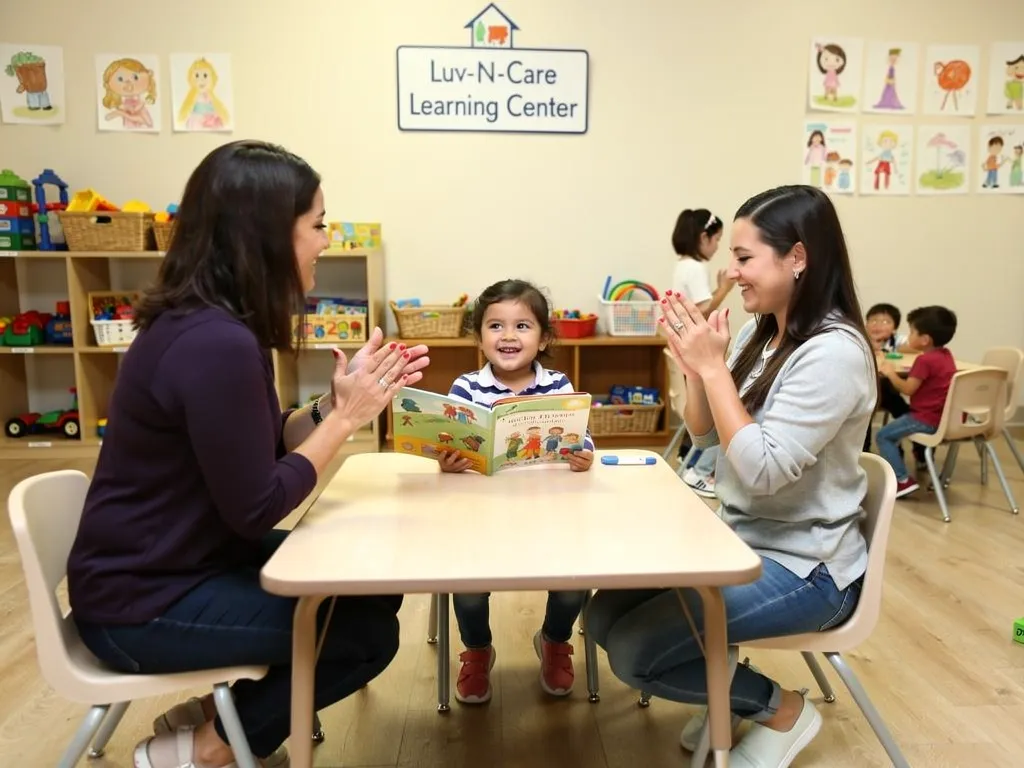
Tracking progress in infant language development involves observing and recording milestones to assess growth effectively. This includes seeking professional guidance when concerns arise, ensuring children receive necessary support. Celebrating achievements, no matter how small, encourages further progress and motivation. These elements collectively contribute to a nurturing environment that fosters language skills in daycare settings.
Observing and Recording Language Development
Observing and recording language development in infants is crucial for identifying growth patterns and potential delays. Caregivers and parents should maintain a diary or log that notes milestones such as babbling, first words, and the use of gestures during interactive activities. This documentation not only provides insight into the child’s progress but also aids in discussing developmental concerns with daycare providers or pediatricians, ensuring that each child’s language development journey is properly supported.
| Milestone | Observations | Action Steps |
|---|---|---|
| First Babble | Record the age and frequency of babbling | Encourage repetition and mimicry |
| First Word | Note the context in which words are used | Introduce more vocabulary related to their environment |
| Use of Gestures | Track when and how gestures are used to communicate | Reinforce gestures with verbal cues |
Seeking Professional Guidance When Needed
When concerns arise regarding an infant‘s language development, seeking professional guidance is essential for timely intervention. Pediatricians and speech-language pathologists can provide valuable assessments and tailored strategies to address specific needs. Parents and caregivers should feel empowered to consult these experts, as addressing potential issues early enhances the effectiveness of language activities at daycare and home.
Celebrating Achievements to Encourage Growth
Celebrating even the smallest achievements in infant language development plays a crucial role in encouraging growth. When caregivers acknowledge milestones, such as the first babble or meaningful gesture, they reinforce the child’s efforts and build confidence. For example, a simple cheer or a special activity to mark these moments fosters a supportive atmosphere, motivating infants to continue exploring their communication skills and enhancing their overall language development through engaging daycare activities.
Conclusion
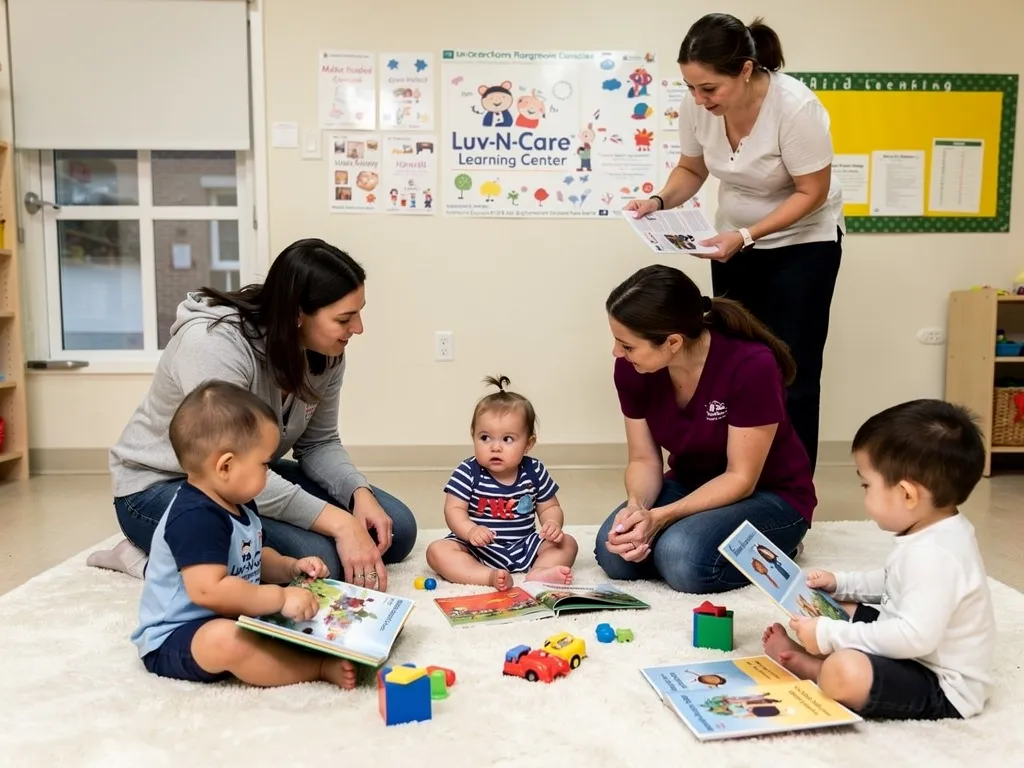
Enhancing infant language development through engaging daycare activities is vital for fostering effective communication skills. Daycare provides essential social interactions, diverse vocabulary exposure, and targeted support from trained caregivers, laying a strong foundation for future learning. Parents play a crucial role by aligning home and daycare strategies, incorporating similar activities, and creating a language-rich environment. By actively participating in their child’s language journey, families can significantly enhance development and ensure their child’s success in communication.